
Husqvarna Type 19 E
With teeth
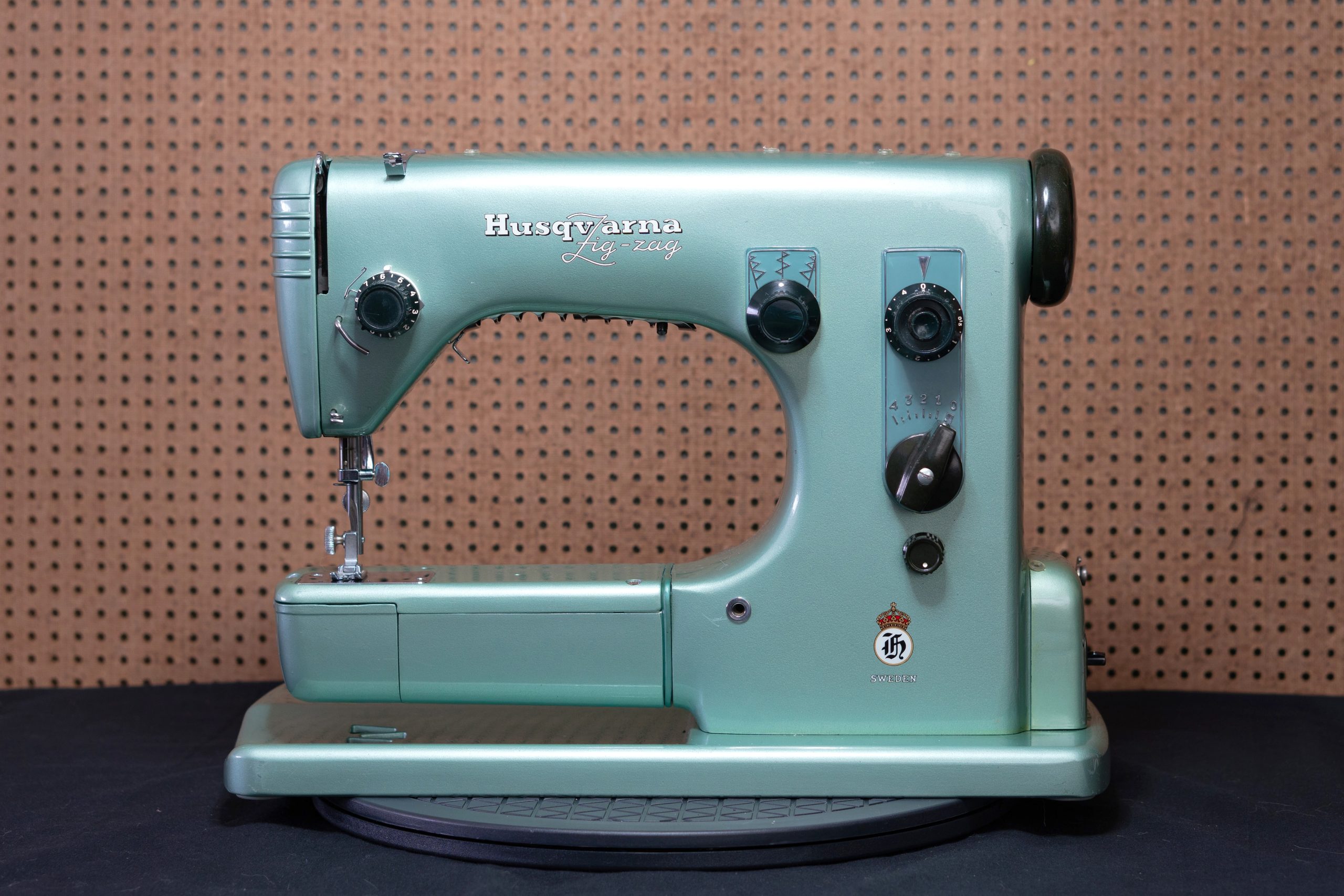
Husqvarna’s roots trace back to 1689, when a royal arms factory was founded beside the waterfalls in Huskvarna, Sweden. Facing declining demand for firearms, the company’s board decided in 1872 to pivot into sewing machine manufacturing, producing its first model, the “Nordsjernan” (Northern Star). Over the following decades Husqvarna built a reputation for precision engineering translated from munitions work into domestic machinery, culminating in the groundbreaking 1947 free-arm Zig-Zag machine that reshaped the brand’s postwar identity.
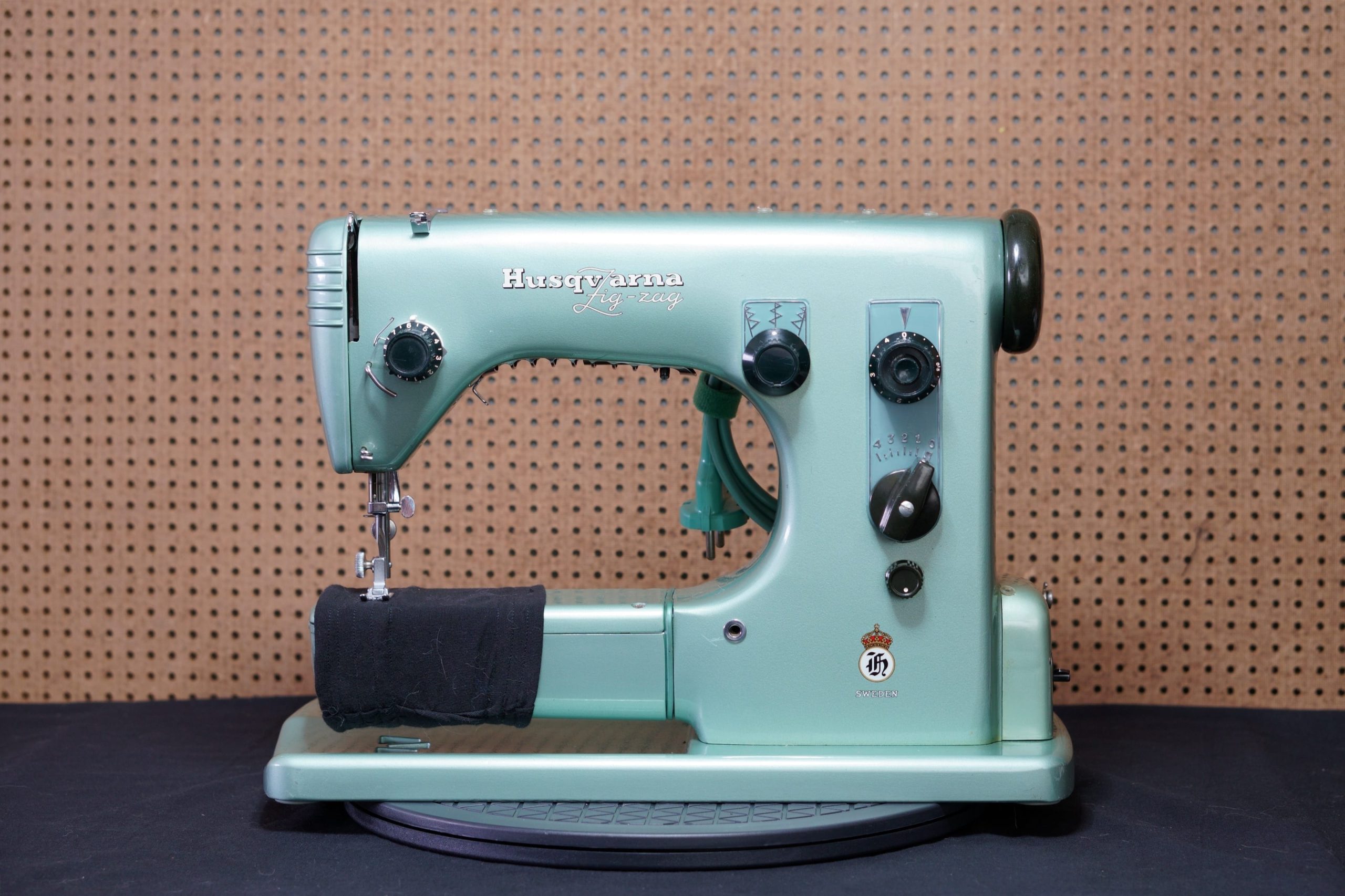
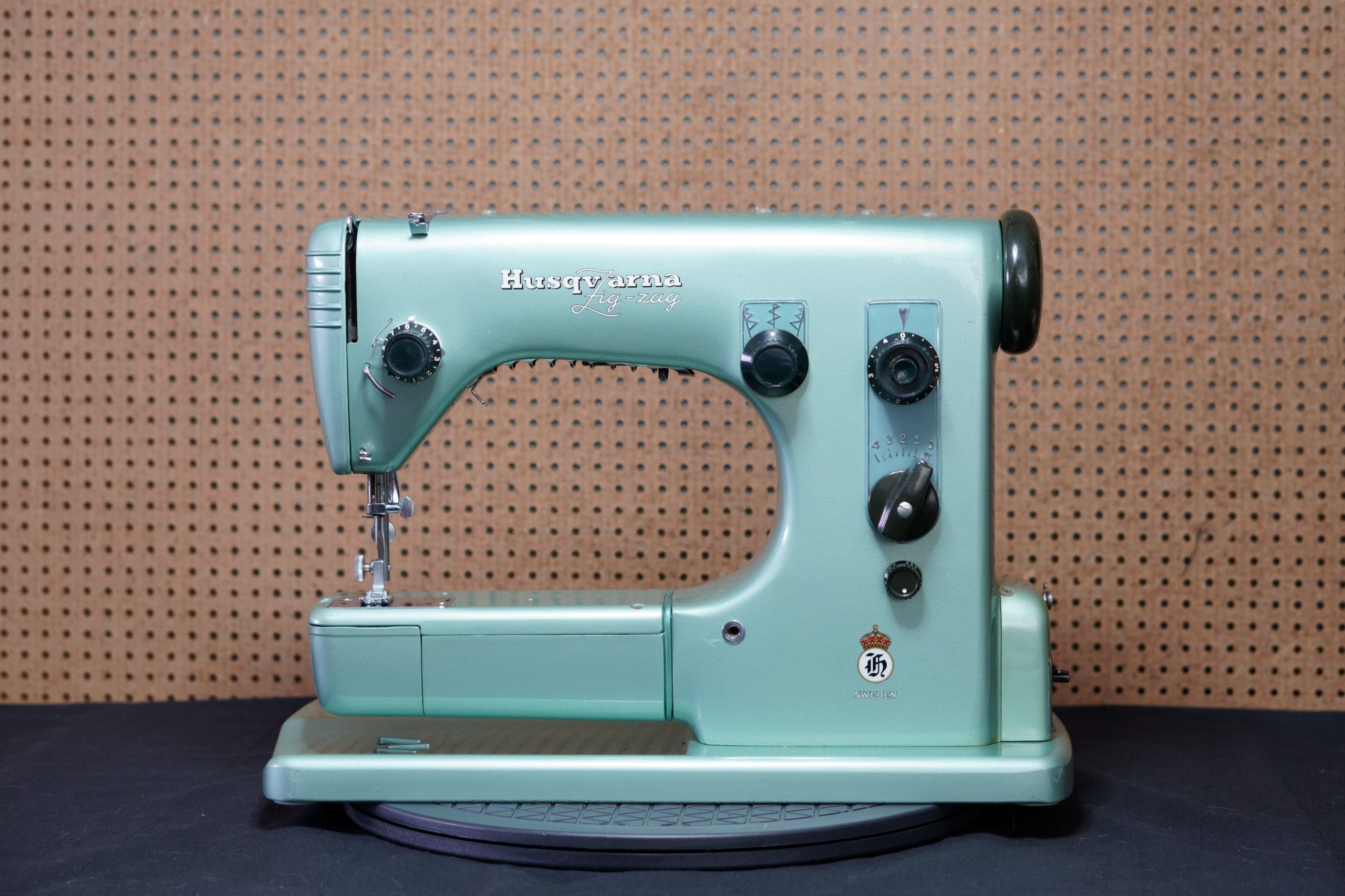
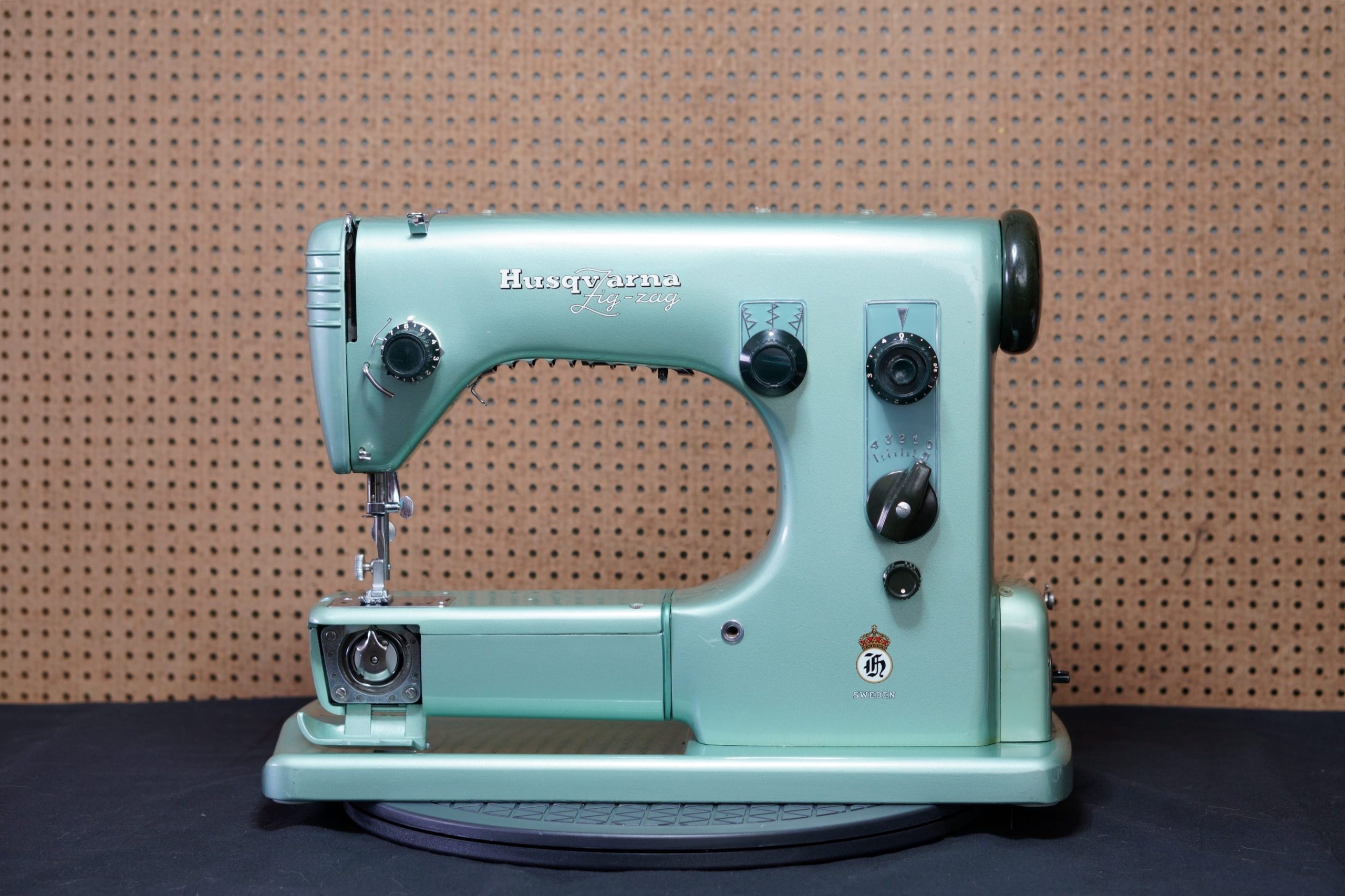
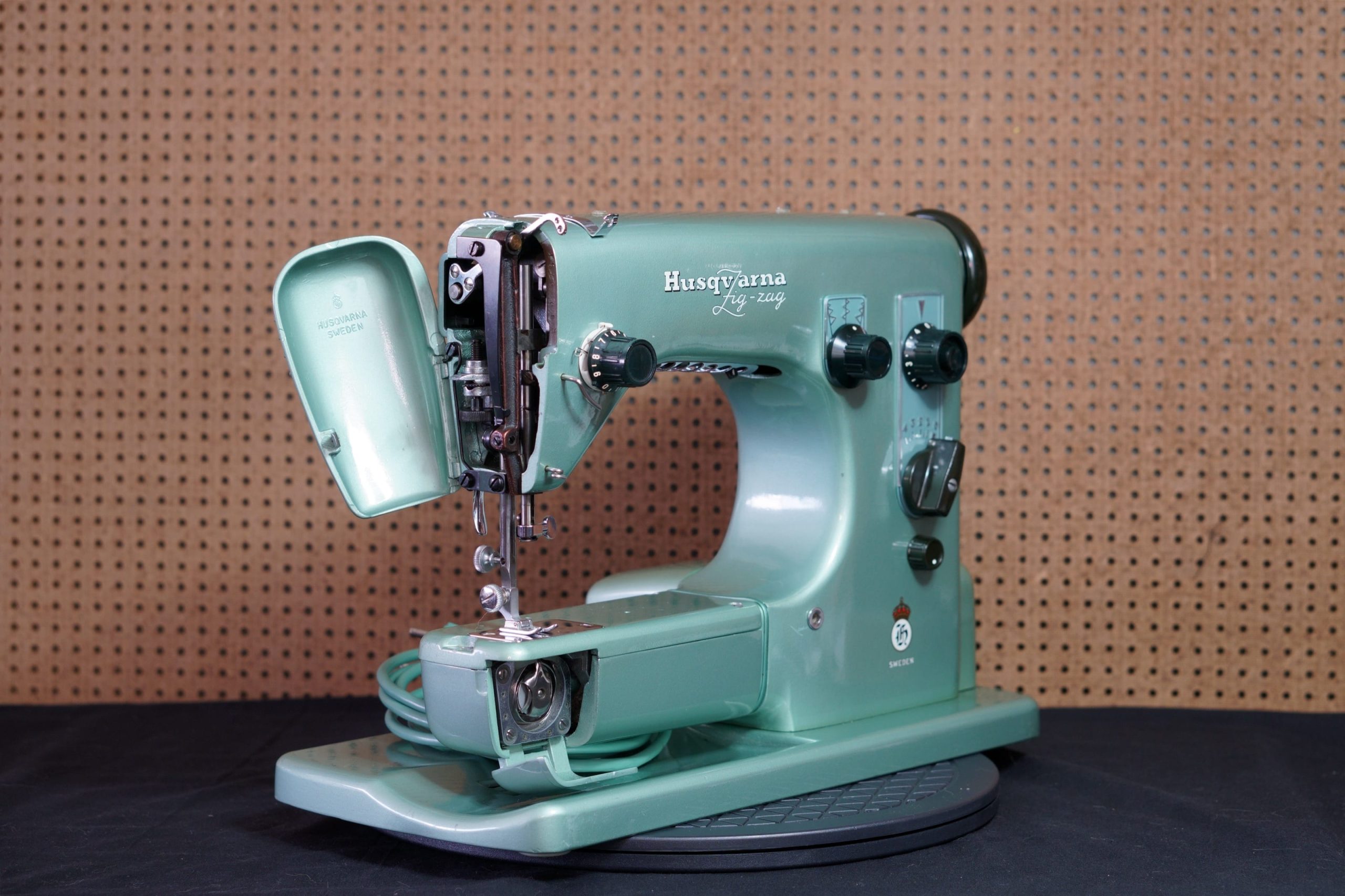
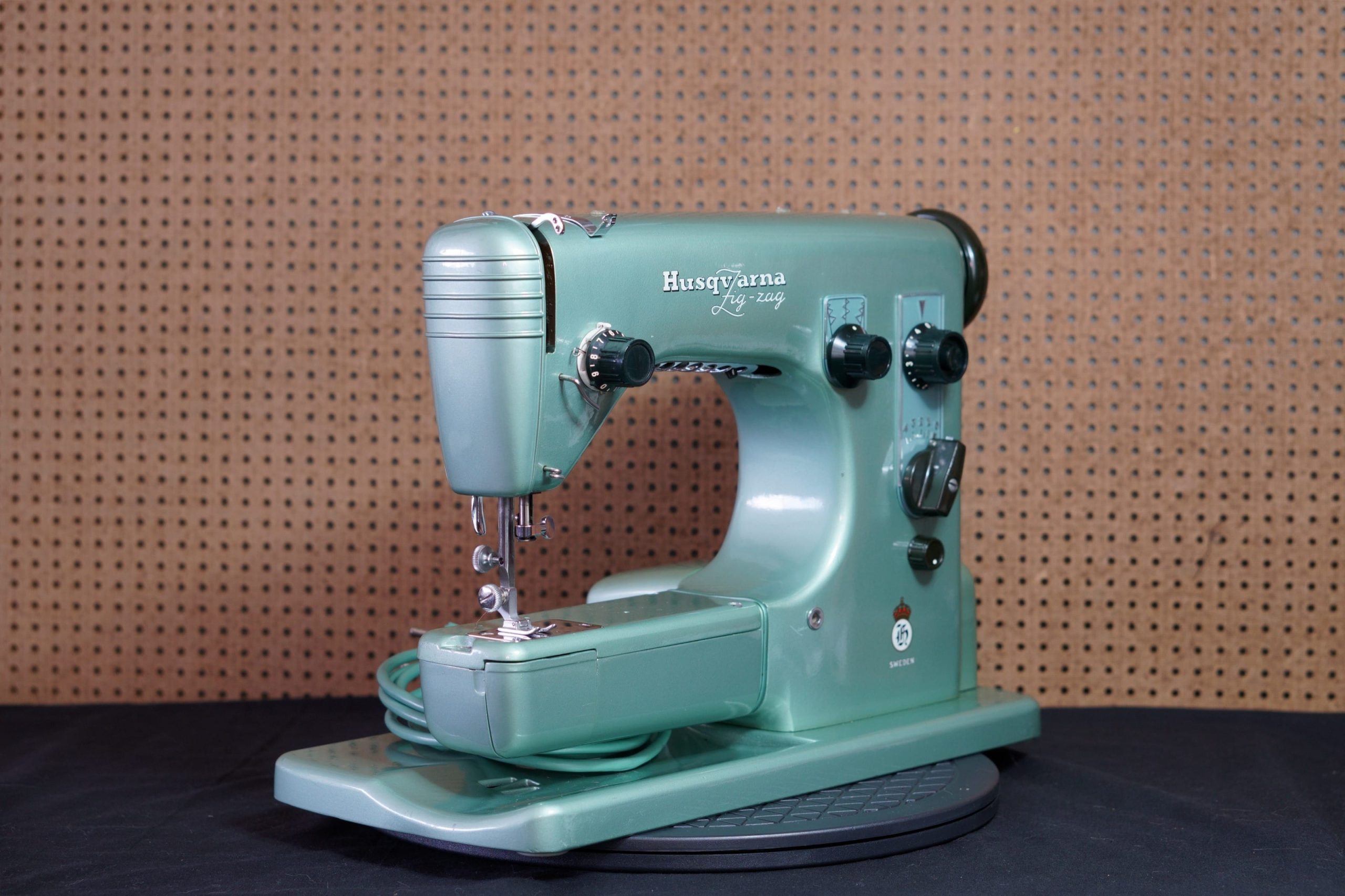
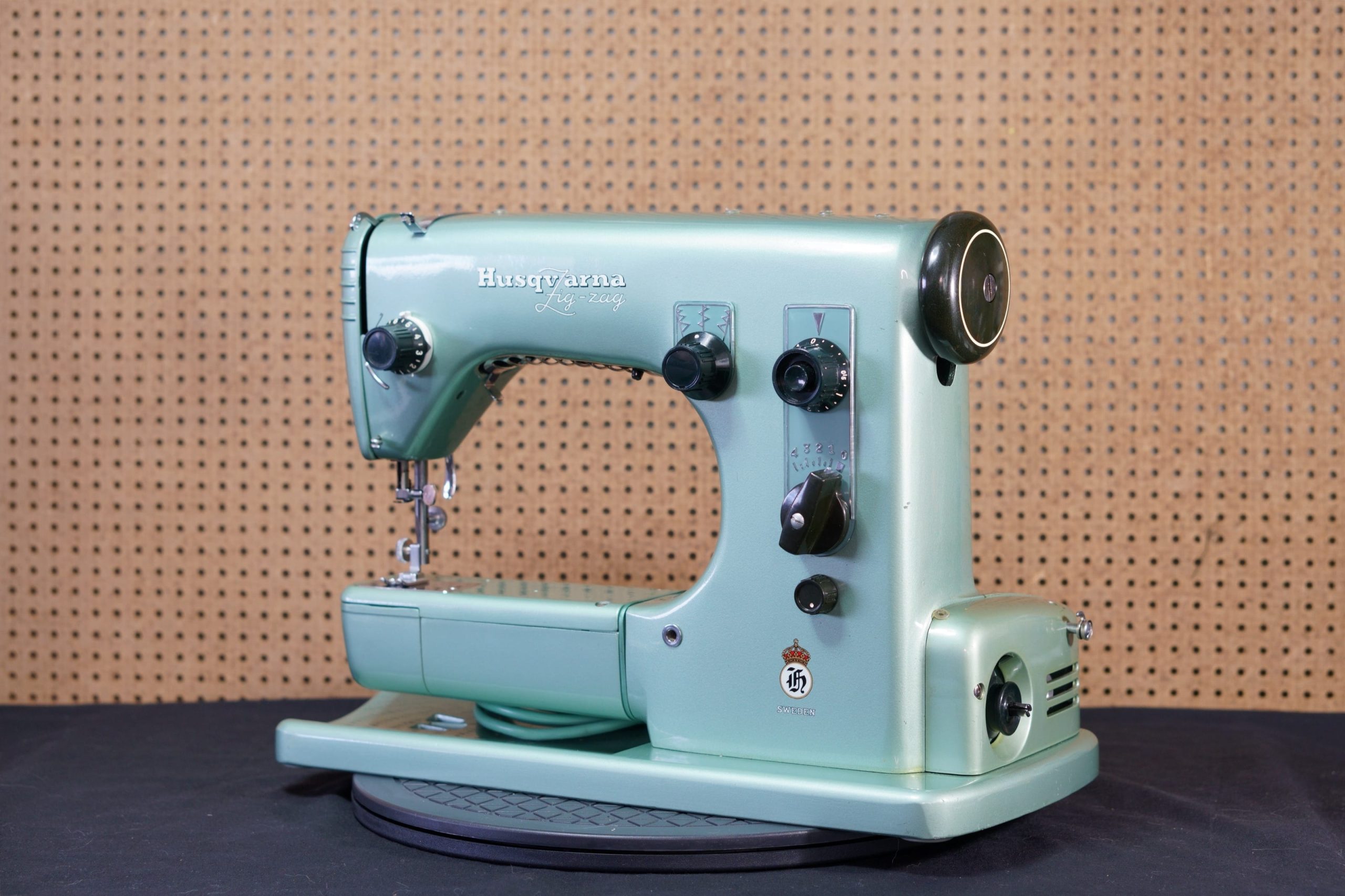
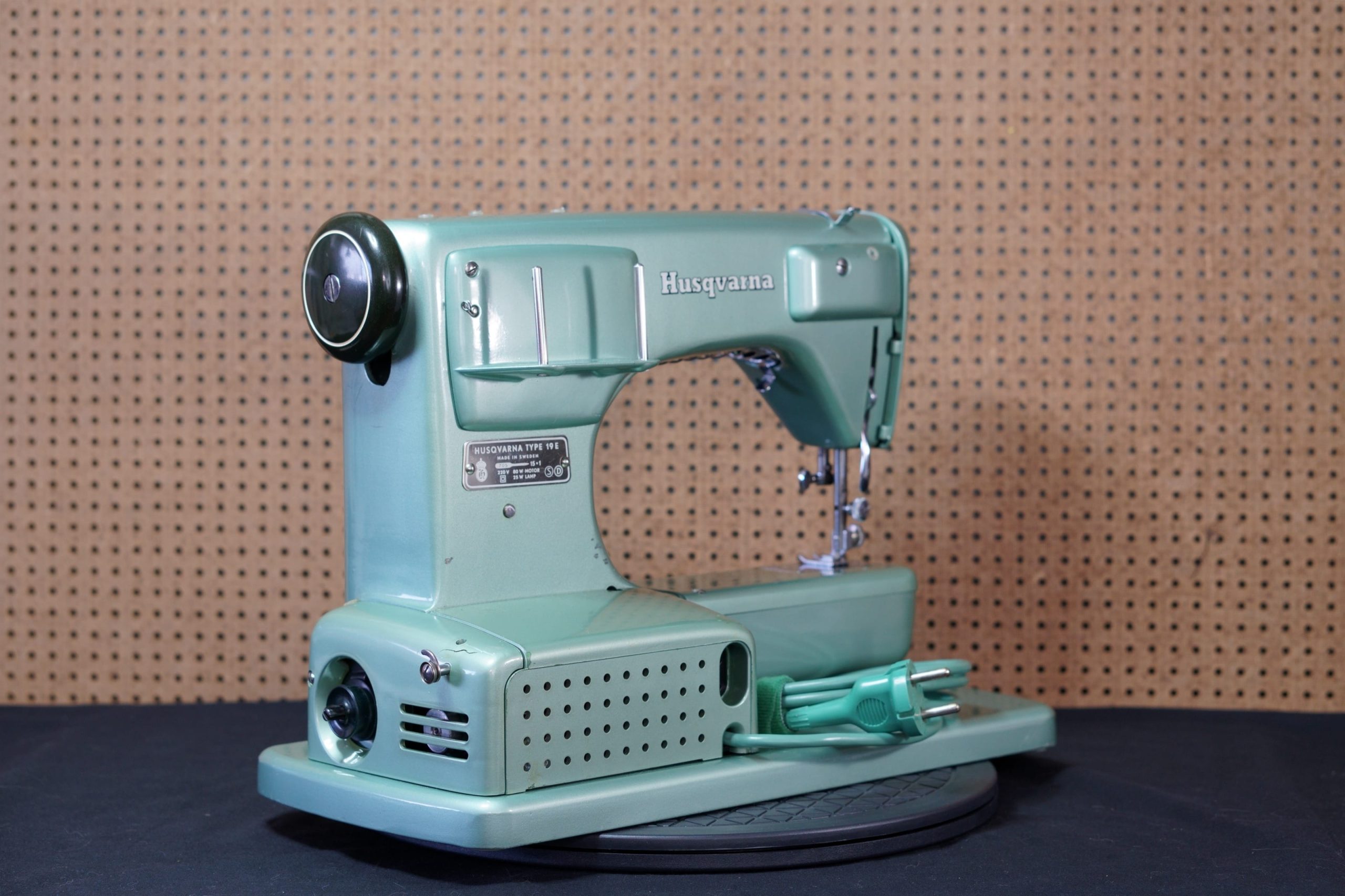
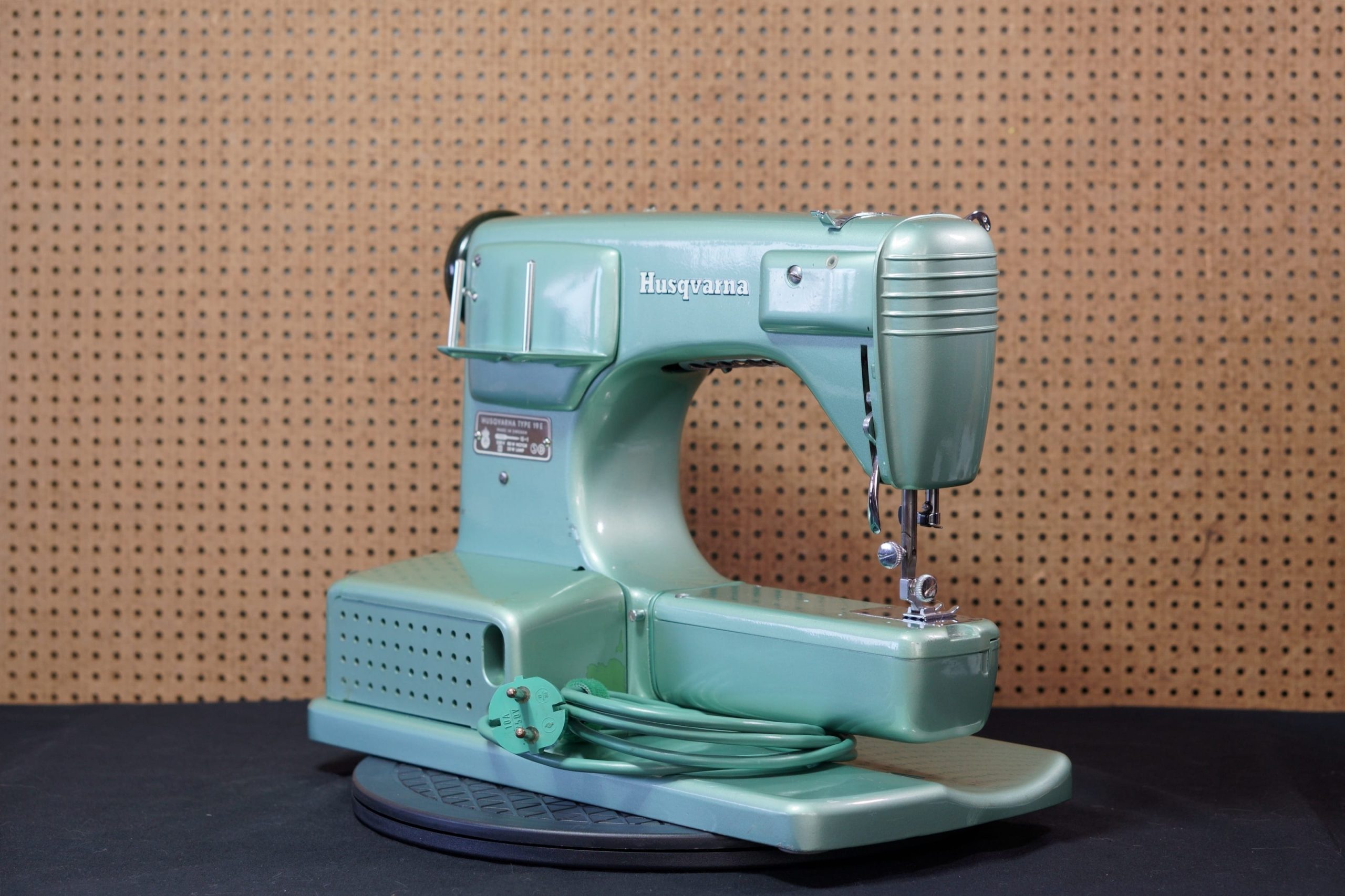
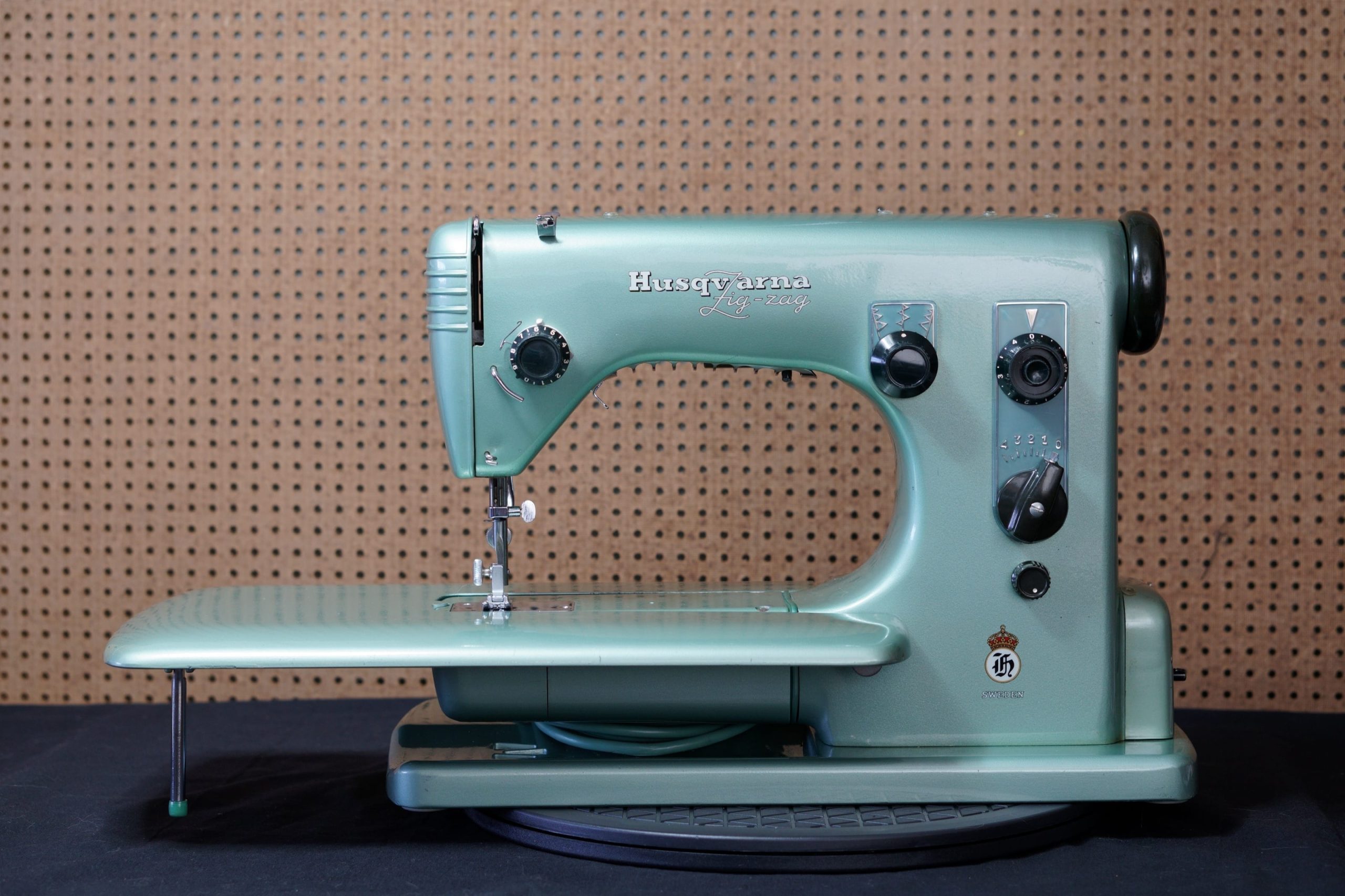
The Type 19E, produced roughly from the late 1930s through the early 1960s, sits at the heart of that golden era. It launched as one of Viking’s earliest electric machines and is often regarded by collectors as among the finest vintage Vikings ever made. Along with the famous two-speed gearbox and pulley system, that allows fine speed control and strong piercing power, its most celebrated feature is its rotary hook mechanism. A departure from the vibrating-shuttle systems common in earlier machines, offering smoother, quieter, more consistent stitch formation. The 19E also brought genuine zig-zag capability into the home, along with three needle positions and a drop-feed function, operated with a simple flick of a switch, allowing free-motion work like darning or embroidery decades before such features became industry standard.
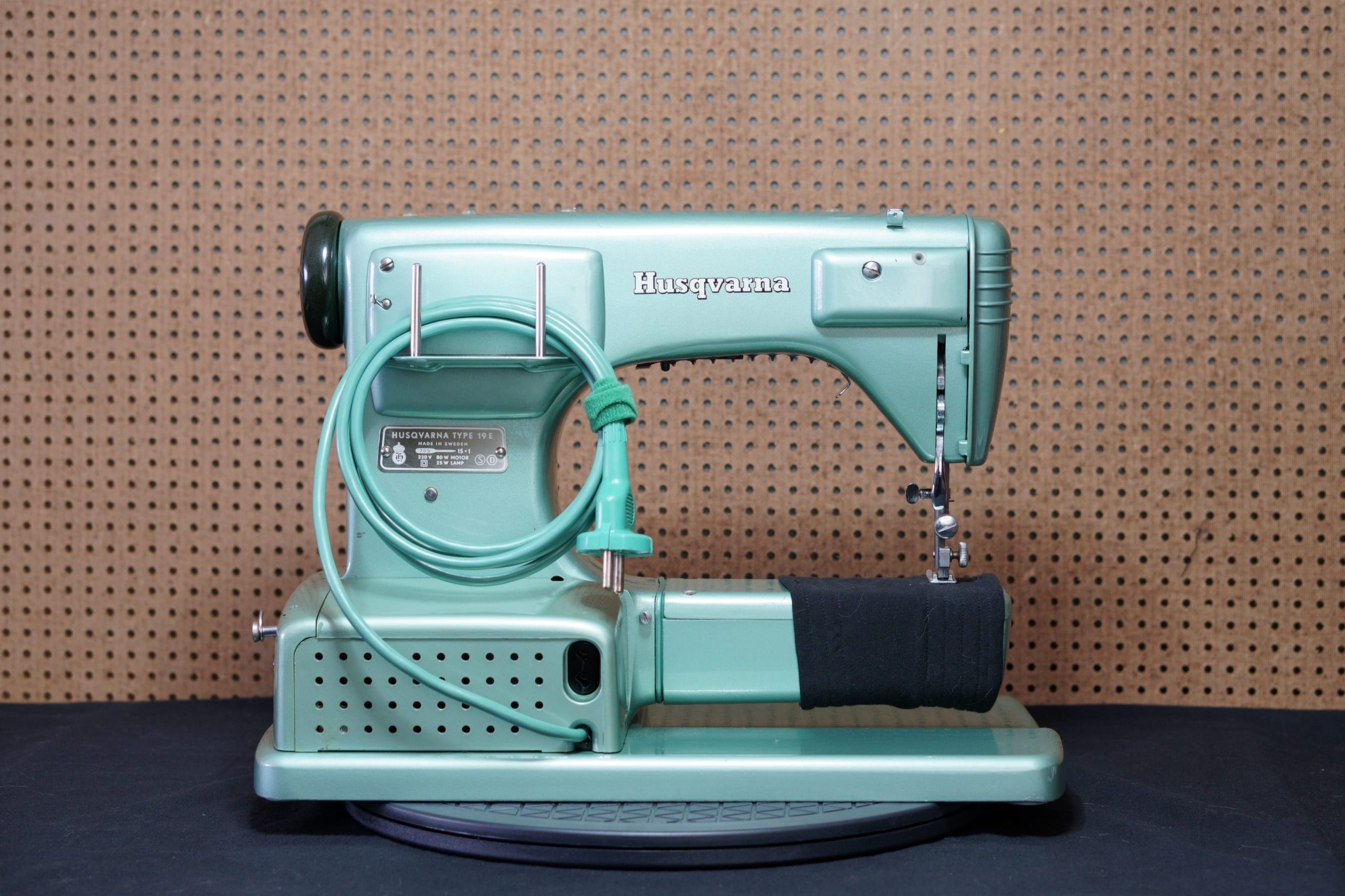
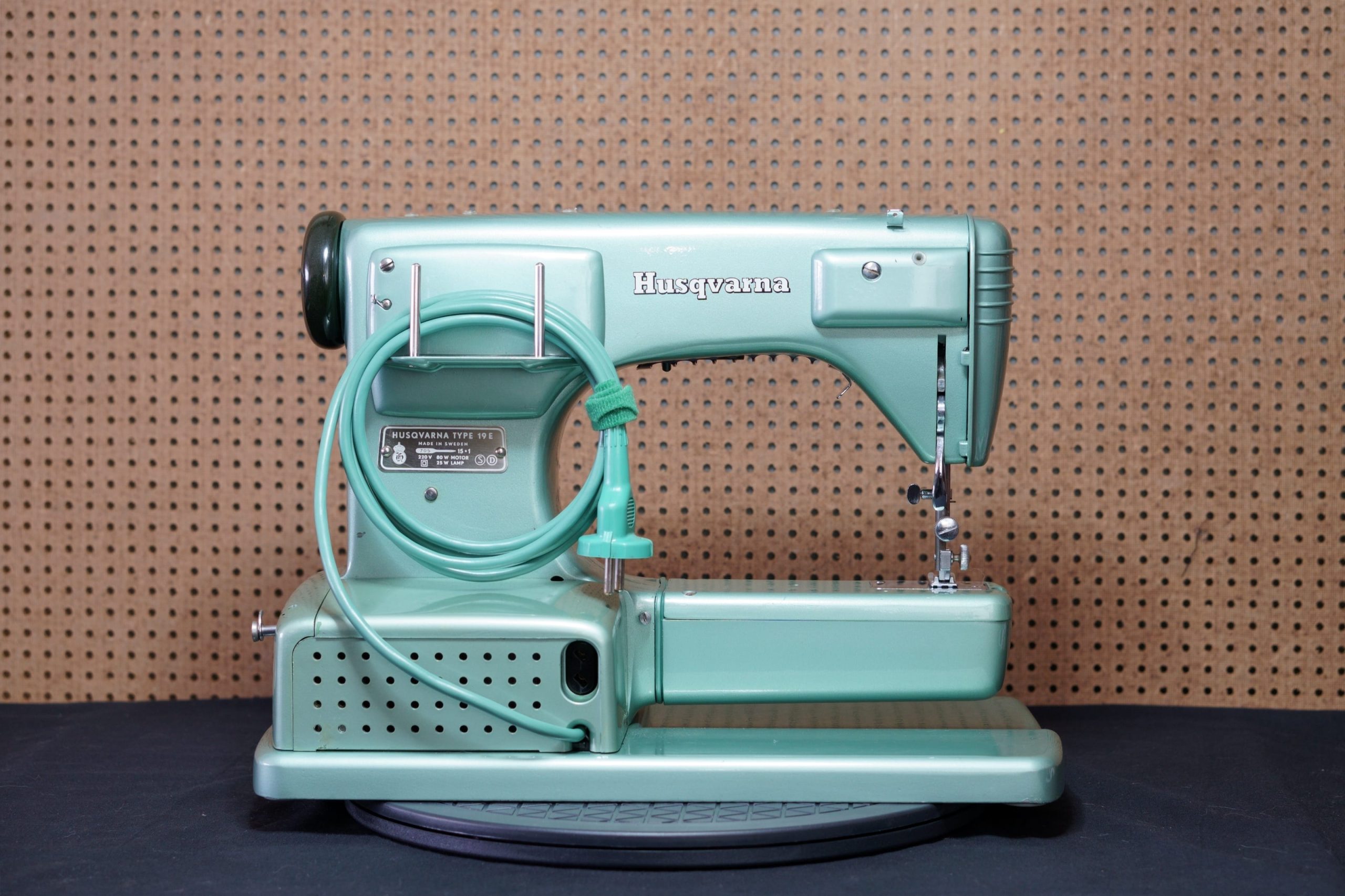
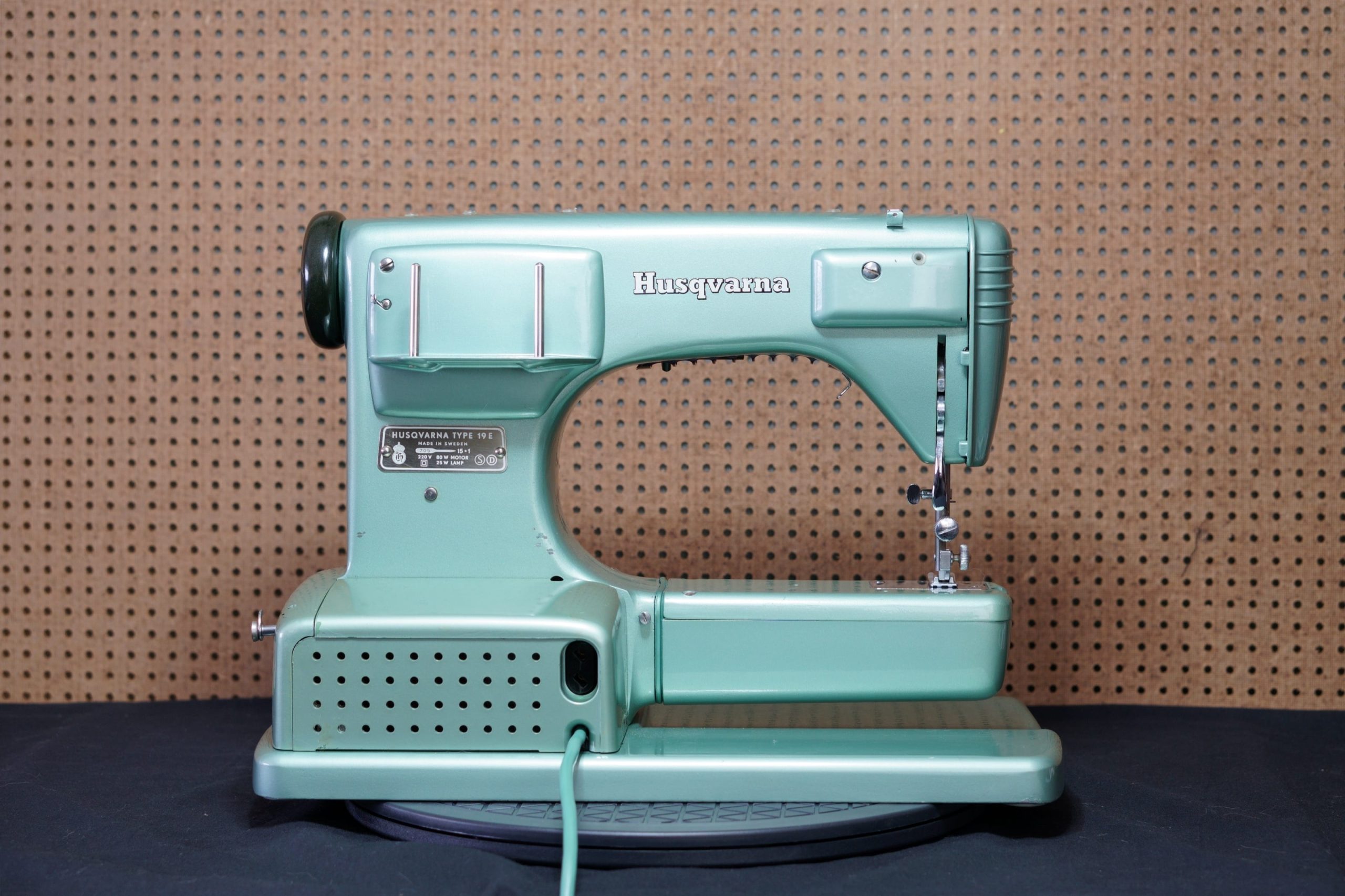
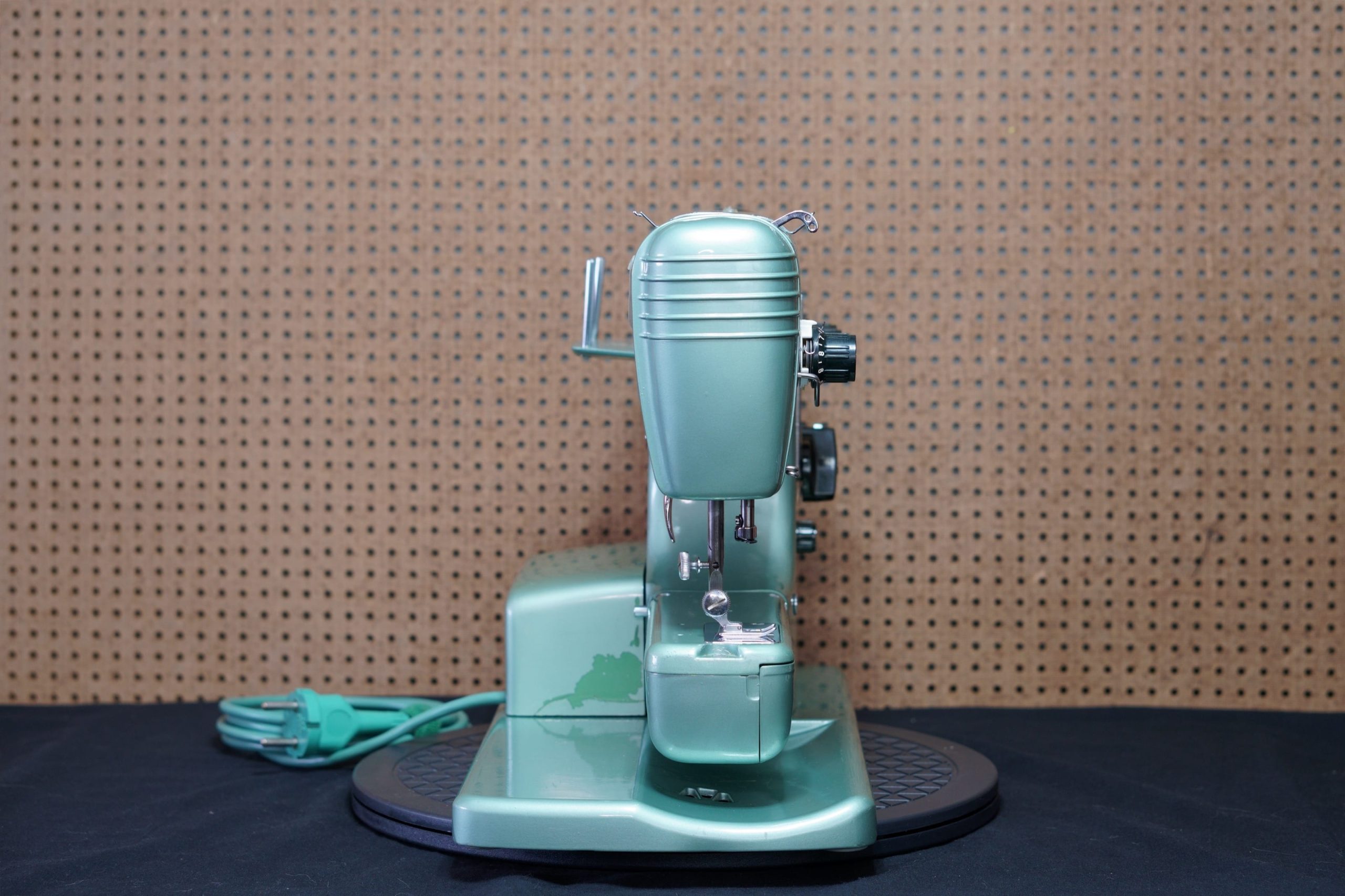
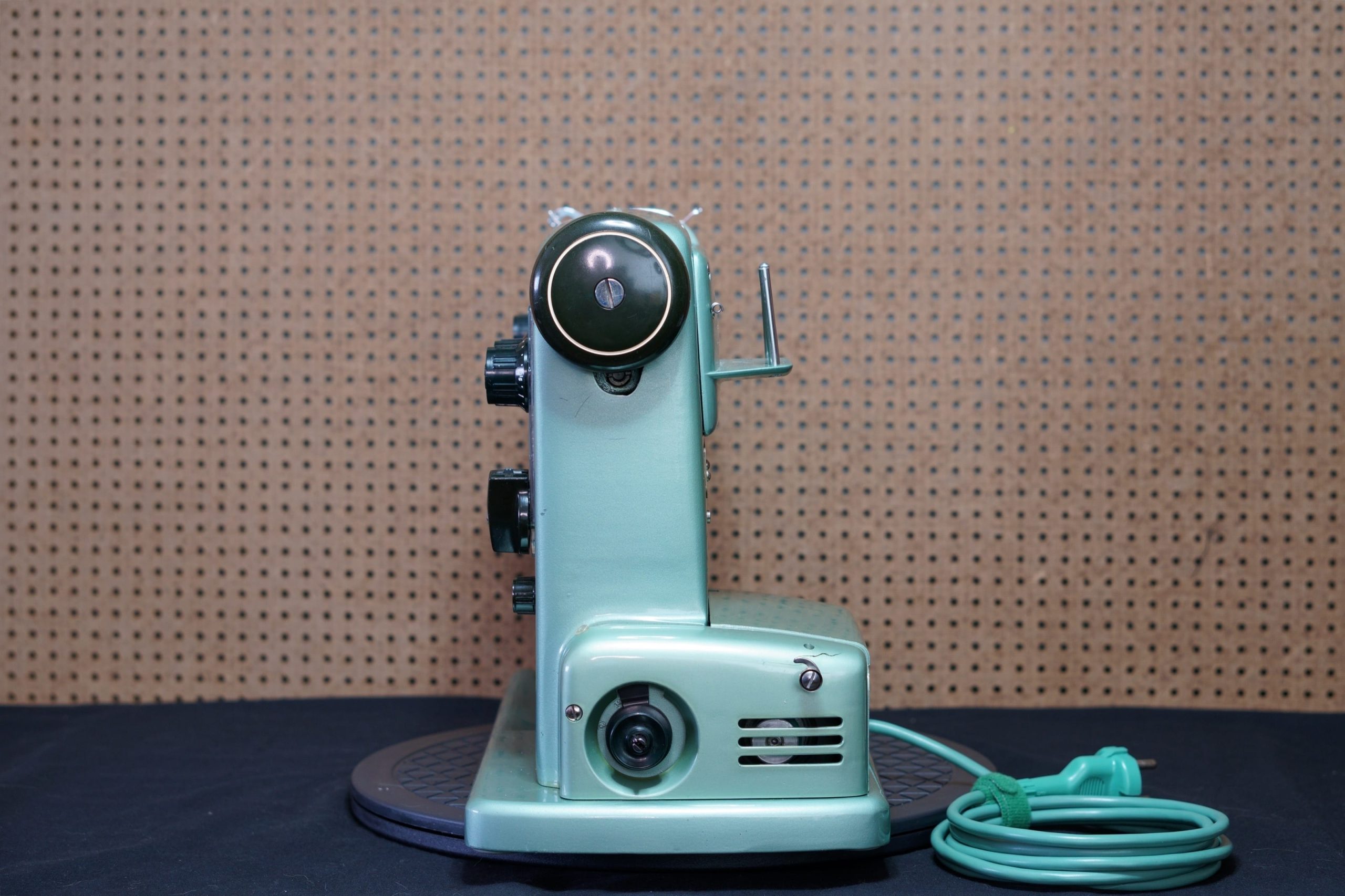
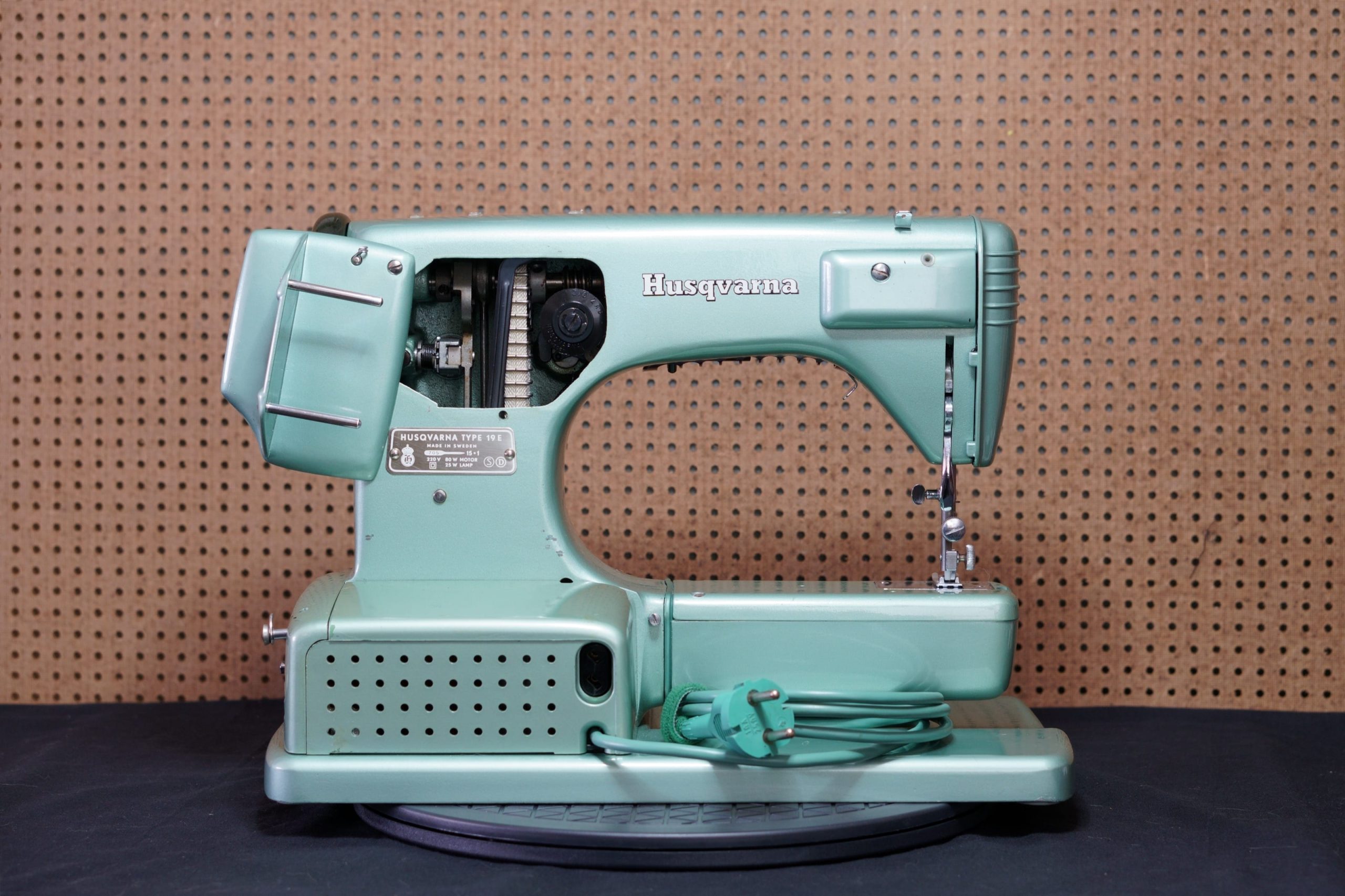
Mechanically, the 19E is built on a cast-iron, full-metal body, giving it exceptional heft and durability. There is very little plastic present here: apart from the external control knobs, there are a few plastic or bakelite parts, in the belt pulleys and cogs of the transmission system, in the balance wheel, the frame for the hook race, the stitch cams when present, and other minor bits. A rather unfortunate choice was the plastic that covers the motor and pulleys/belts on the back and the right side, below the balance wheel. This plastic gets brittle with age and is prone to shattering, especially when users tend to over-tighten the screws that hold them. I’s very rare to find one of these units with intact motor housings.
This model arrived just before Husqvarna’s later engineering leap: the 1953 Class 20, with its gearshift transmission and jam-proof hook that needed no oil, a refinement that built directly on lessons learned from machines like the 19E. The pale, shimmering metallic green finish (seen in this example) is instantly recognizable and has become something of a design signature for the model.
Among collectors and vintage-machine enthusiasts, the 19E enjoys a devoted following. It’s frequently cited as extremely long-lasting, still running smoothly today after decades of service when properly maintained. Compared to contemporaries like the Singer 15-class machines of the same period, which the earlier Husqvarna CB Class 15 had actually borrowed features from, such as reverse stitching, the 19E is often seen as offering superior smoothness thanks to its rotary hook, versus the more utilitarian vibrating-shuttle designs Singer favored for longer. Sewists who’ve used both often describe the 19E’s stitch quality as notably even, and its motor as quiet and torquey for its era.
The trade-off regarding modern machines, is weight and simplicity: no computerization, no digital stitch selection, just robust mechanical cams, gears, and dials. For many, this is precisely the appeal of classic models. A fully serviceable, all-metal workhorse that can be repaired almost indefinitely with basic tools. The 19E arrived near the end of Husqvarna’s “full metal jacket” era, just before machines began incorporating plastic bodies. This makes it something of a last stand for old-school Scandinavian over-engineering, and part of why it remains a prized find at estate sales and vintage fairs today.
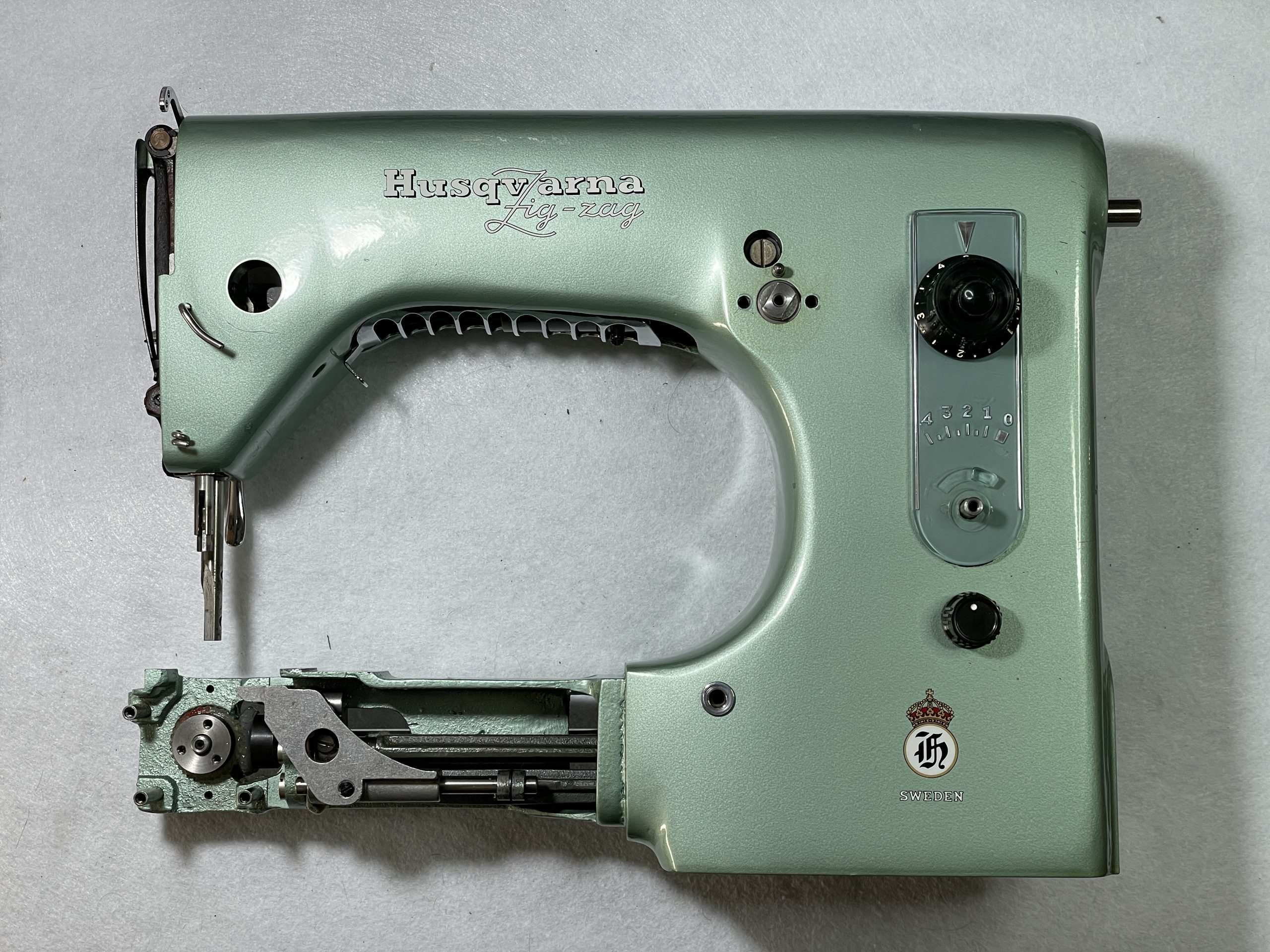
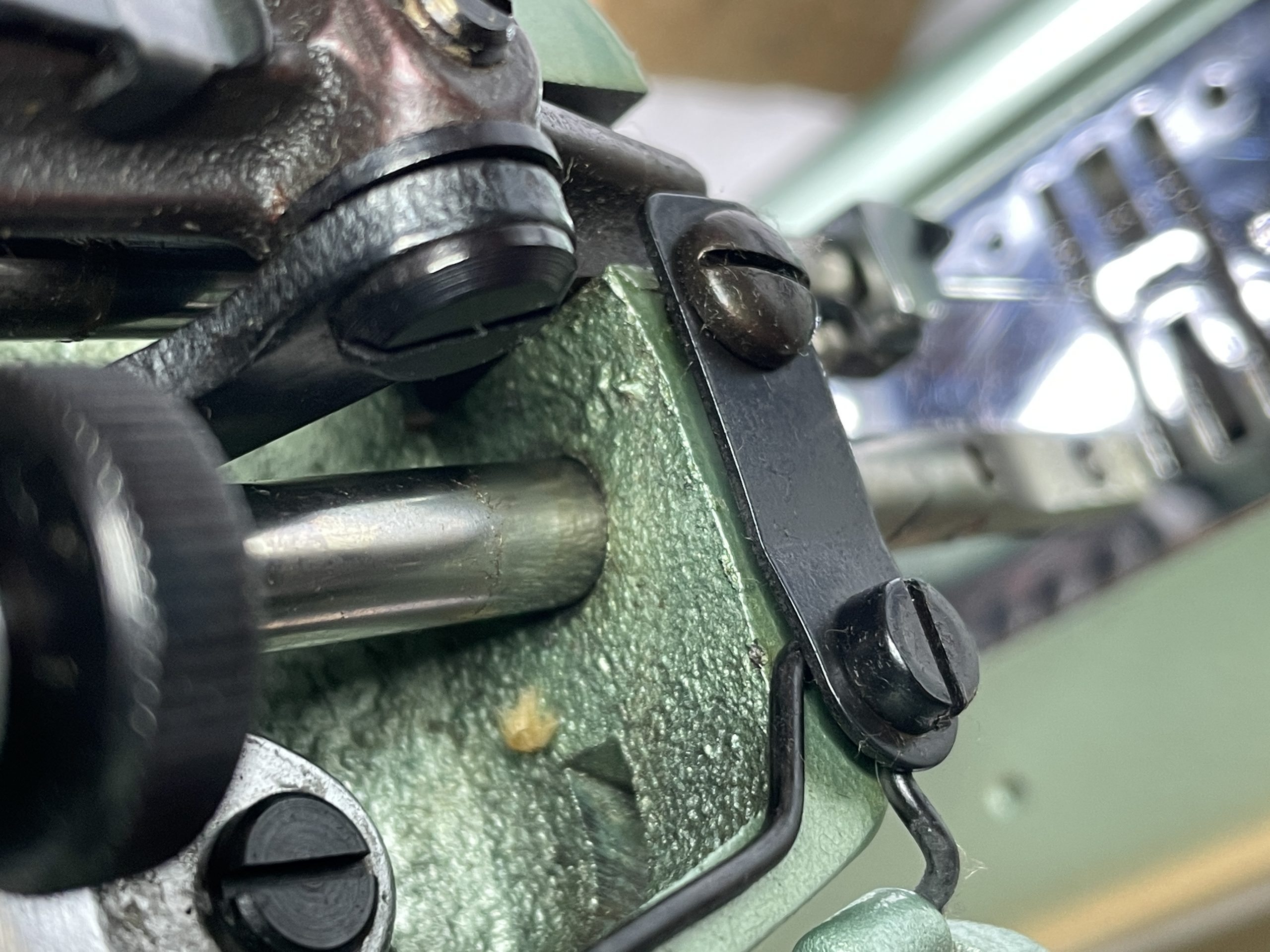
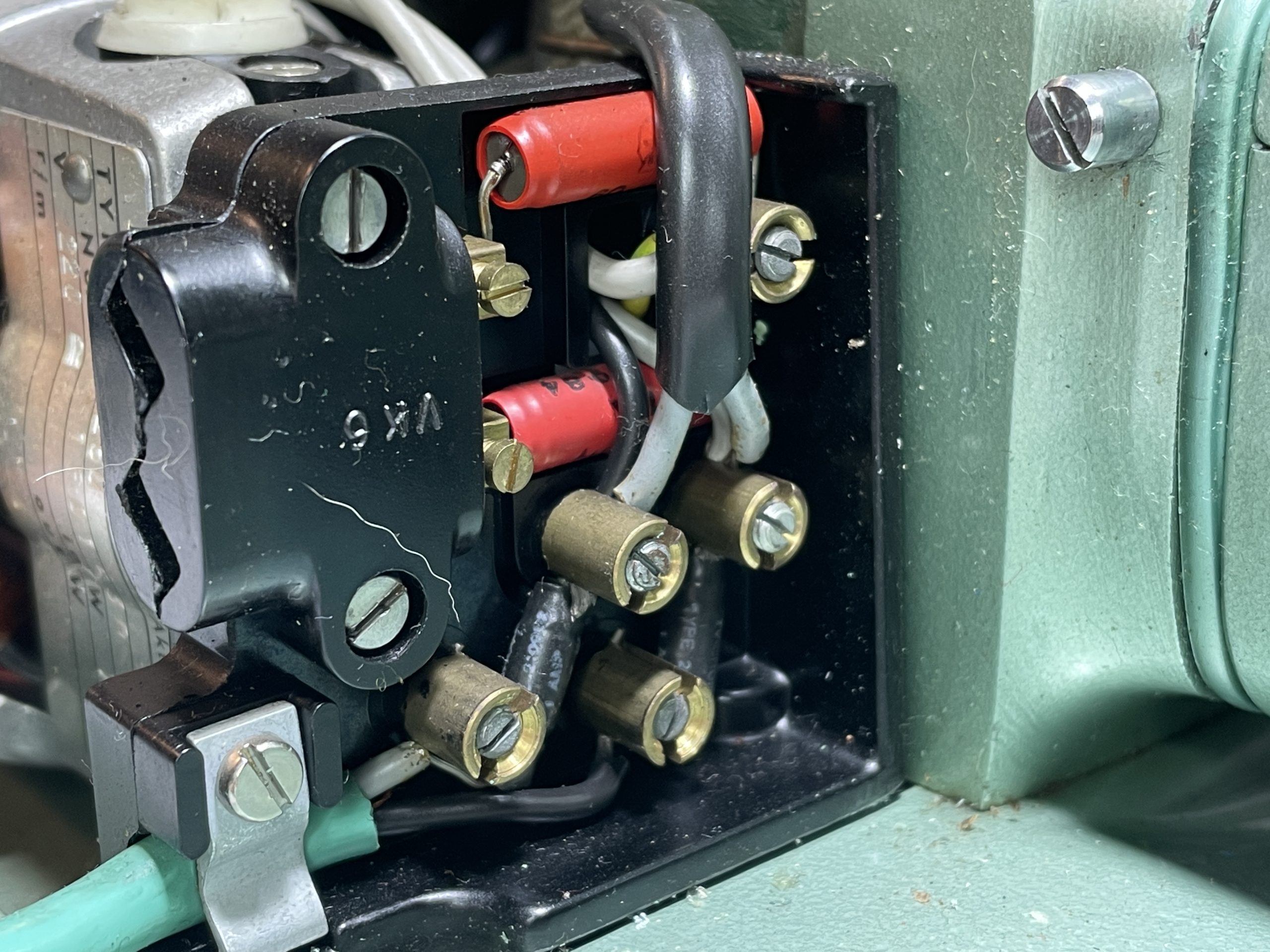
Accessories include:
• Original foot control
• Flatbed extension table
• Carrying case
• Specific bobbins
ID
| Maker | |
| Brand | |
| Model | |
| Year | |
| Serial number | |
| Origin | |
| Manufacture | |
| Provenance | |
| Status |
SPECS
| Voltage | AC 220 V |
| Bed type | |
| Bed extension | |
| Feet/shank type | |
| Foot pressure adjustment | |
| Bobbin type | |
| Hook/race position | |
| Hook movement | |
| Bobbin winder | |
| Spool pins | |
| Bulb type | |
| Original foot control | |
| Current foot control | |
| Dimensions | |
| Weight |
FEATURES
| Zigzag | |
| Reverse type | |
| Needle position control | |
| Stitch length limiter | |
| Stitch width limiter | |
| Utility stitches | |
| Decorative stitches | |
| Stretch stitches | |
| Auto-reverse stitches | |
| Double needle provisions | |
| Drop feed |
ACCESSORIES
| Presser feet | |
| Straight stitch needle plate | |
| Feed dogs cover plate |
DOCUMENTS
| User manual | Download PDF: |
| Service manual | Download PDF: |