
Bernina Nova 900
Transformer
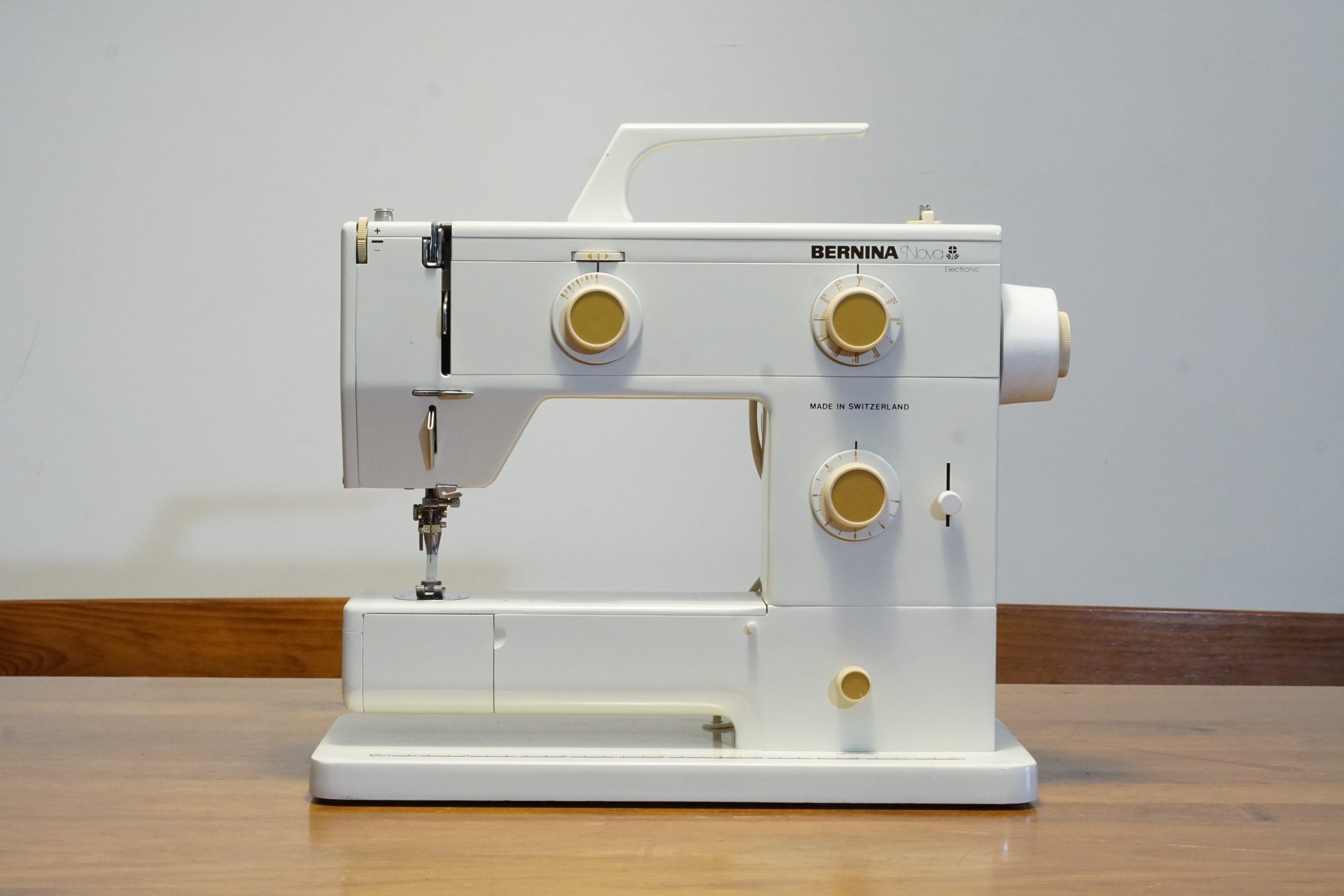
Bernina has been fussing over stitch precision since 1893, when Karl Friedrich Gegauf built his first hemstitch machine in Switzerland. By the early 1980s, when the Nova 900 was bought new in 1982, the company had a well-earned reputation for machines that outlive their owners’ patience for anything flashier.
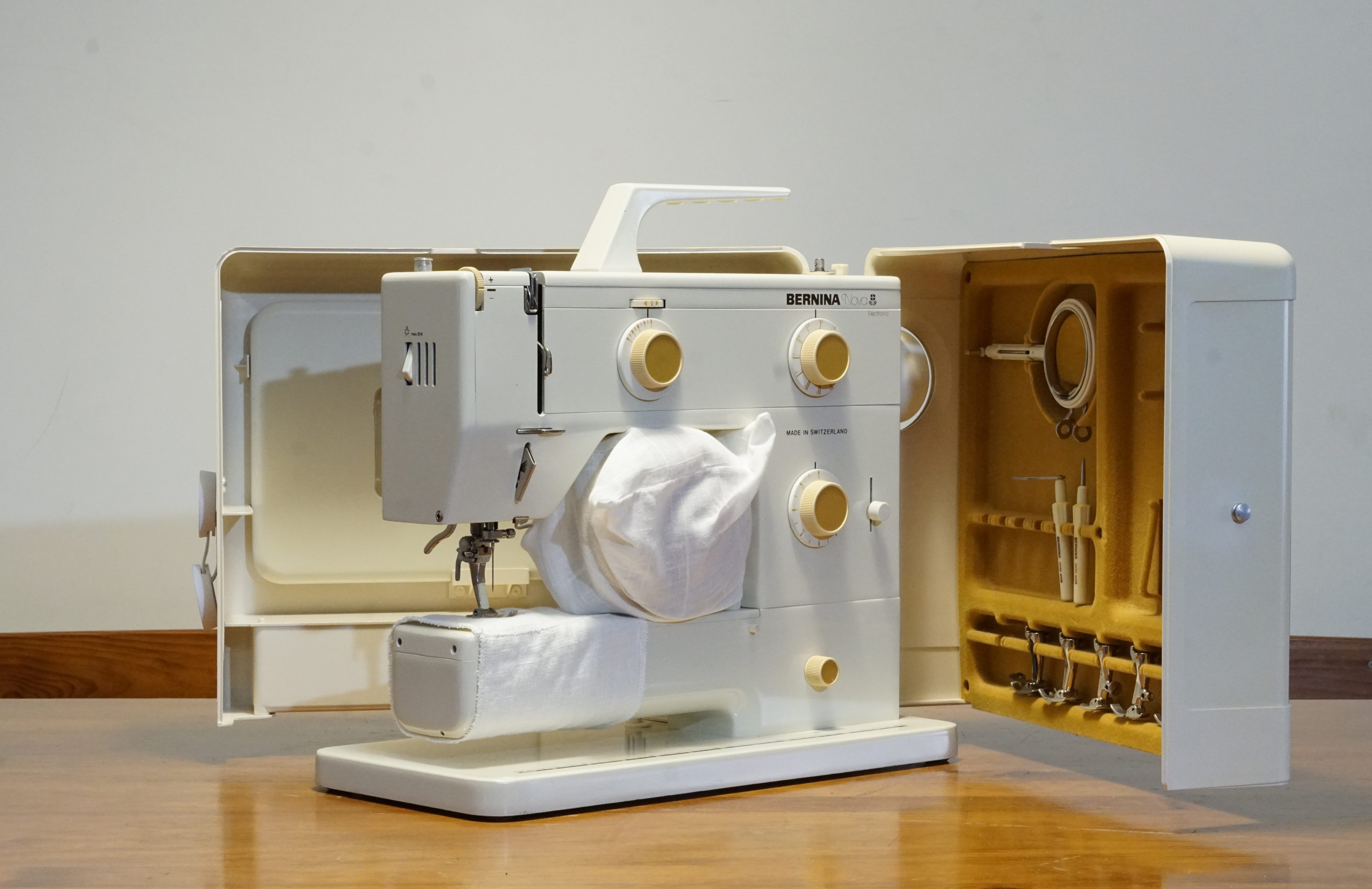
The Nova 900 sits in the electronic sub-line of the Nova family, a step up from the purely mechanical Nova, and one rung below the celebrated 930 Record. Functionally, it’s built around the same oscillating hook system Bernina rode for decades, paired here with electronic speed control rather than a purely mechanical foot pedal. Three dials handle stitch selection and length, all analog, all satisfyingly clicky, and the whole thing runs at up to 850 stitches per minute without breaking a sweat.
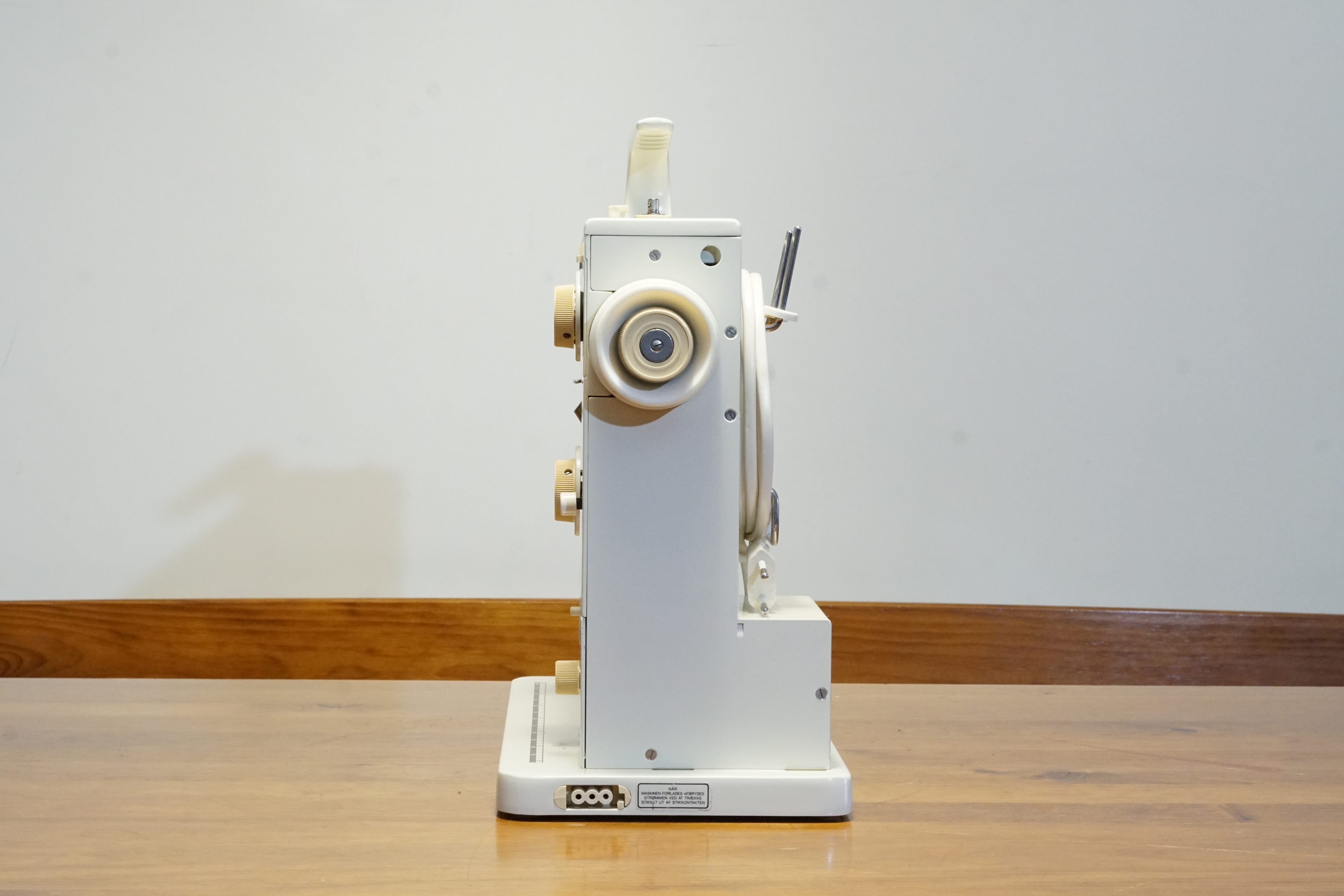
The electronic foot control was itself worthy of note, with its rounded shape and accomodation for winding the connection cord. This enabled tidy storage and facilitated using the pedal from any angle, avoiding awkward side-steps.
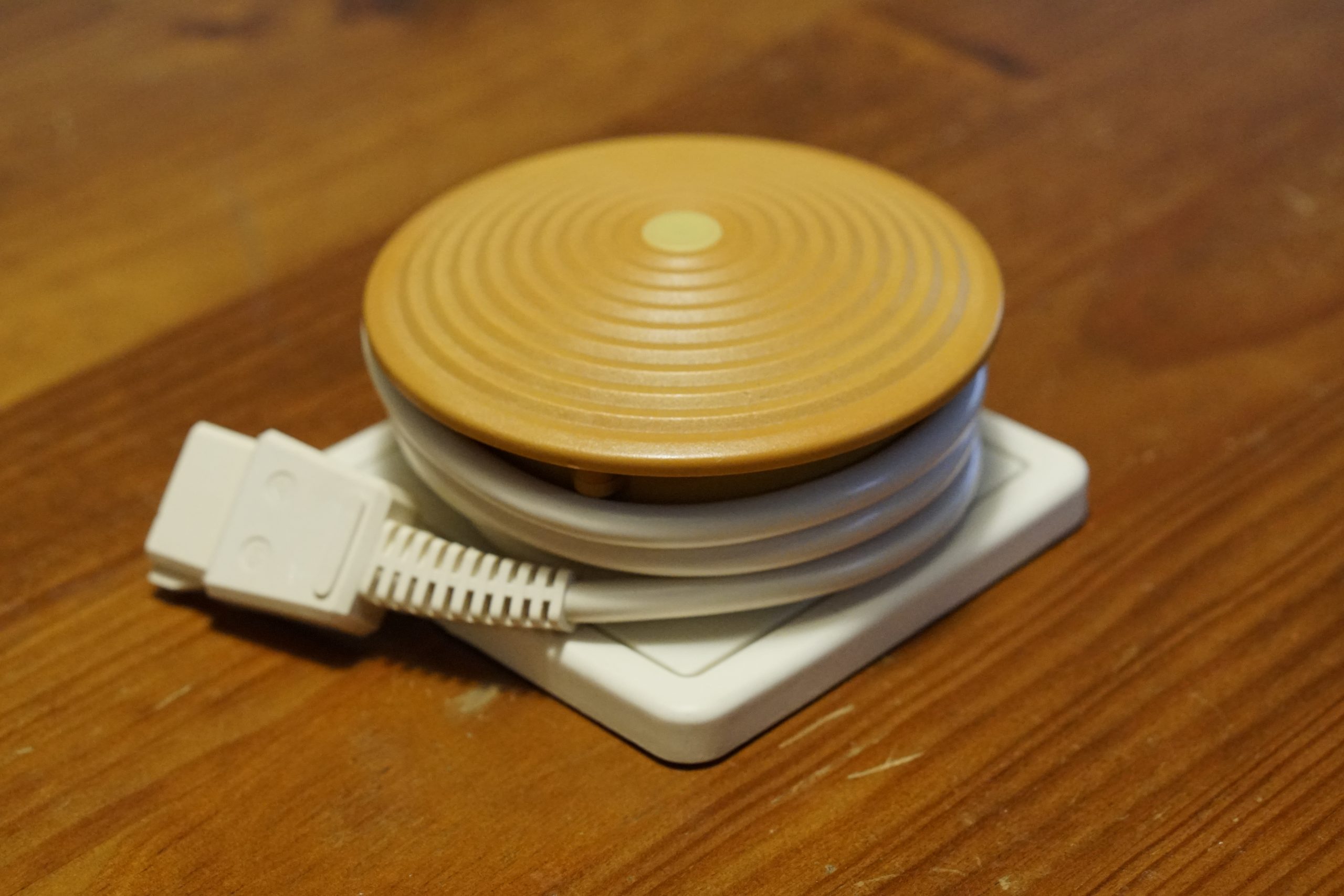
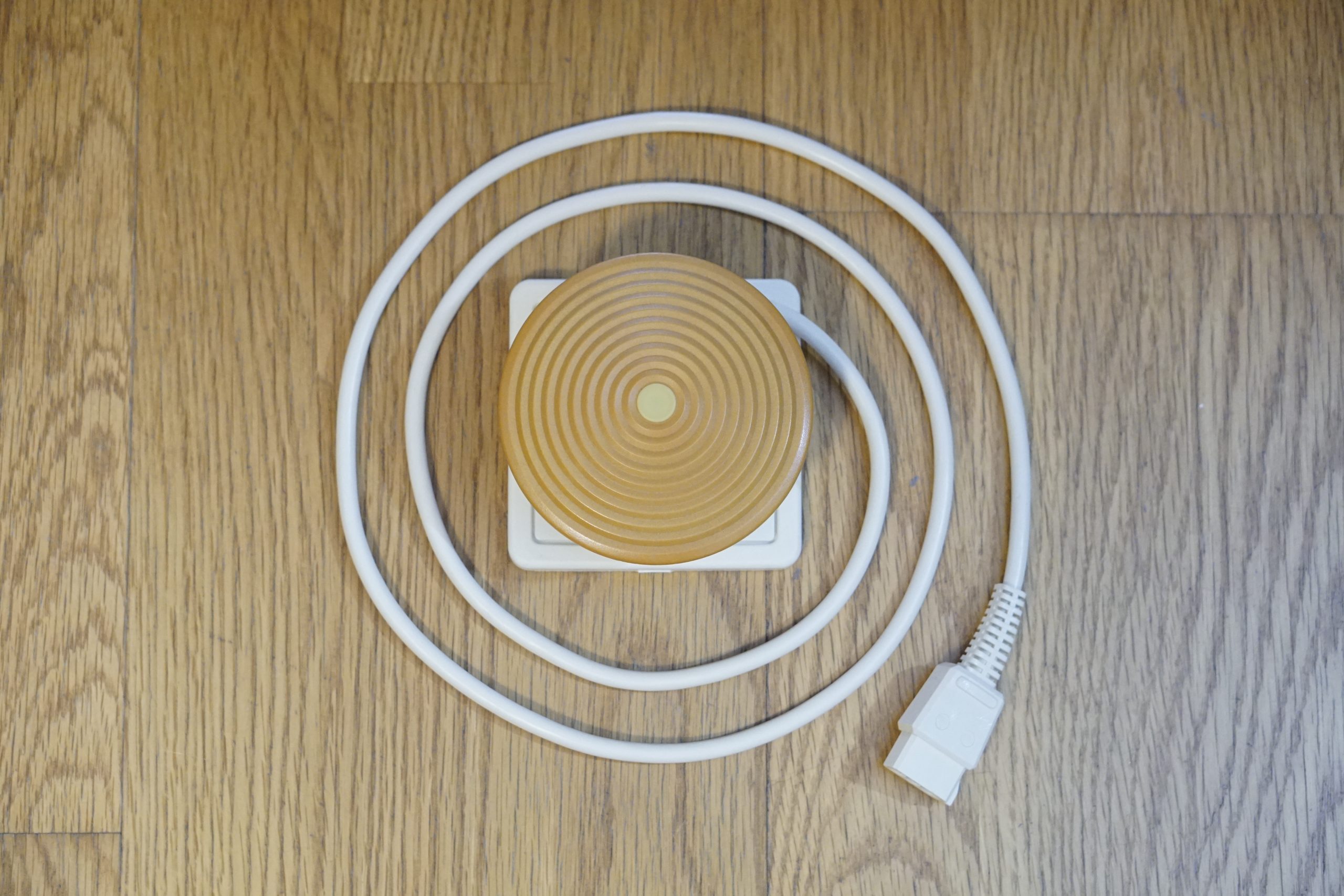
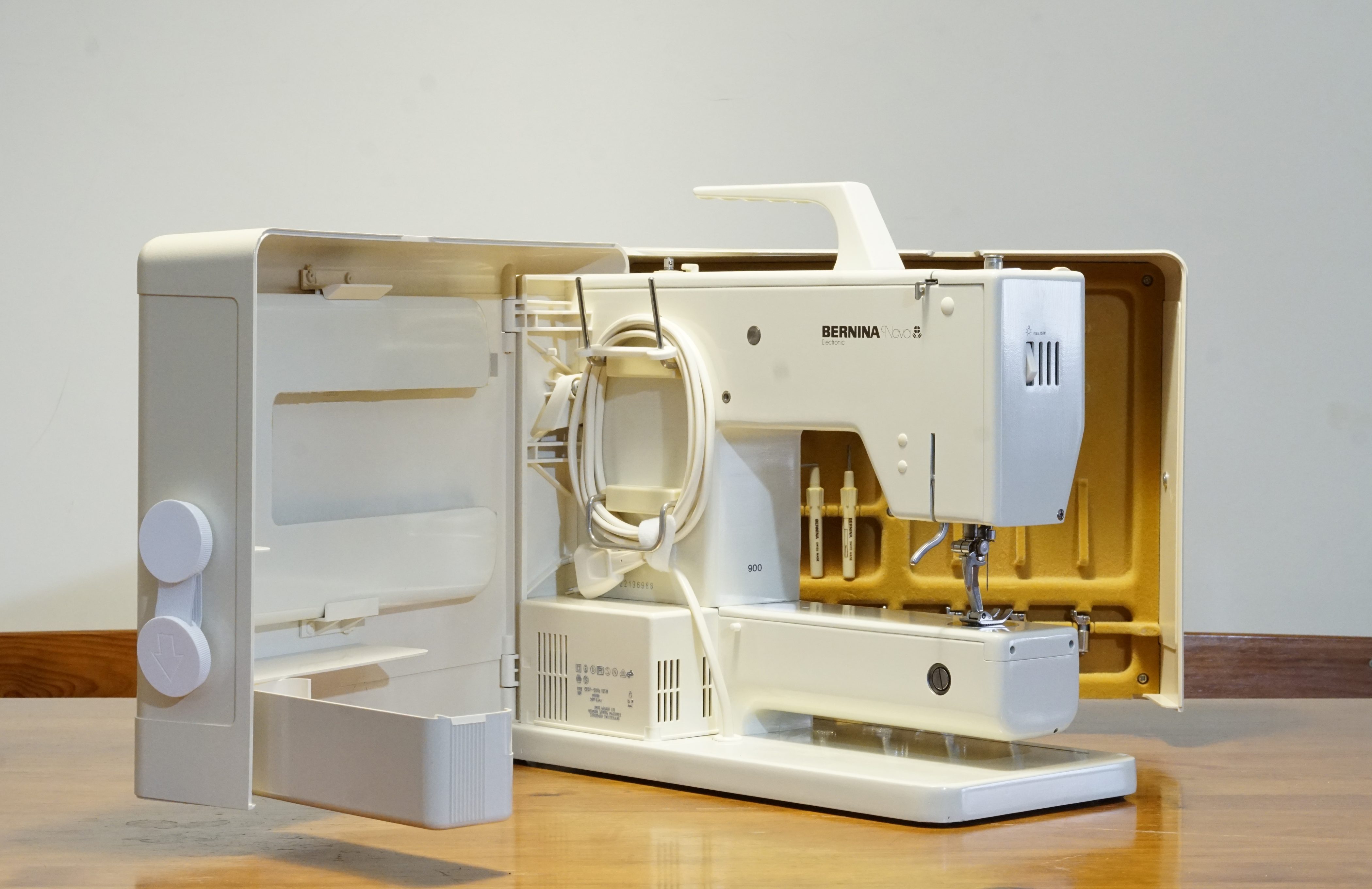
This push toward smoother operation came with a quirk: early electronic pedals on these machines apparently have a bit of a threshold to cross before the motor engages, so sewing slowly takes practice compared to later, smoother models. Curiously, the electronics live inside the machine’s base, instead of the foot control as is more common. This takes sensitive components of the floor and away from being kicked around, but still leaves them exposed to spillages and dust bunnies when stored on the ground. This is just one of the details in which the Nova strived to make everything different, a bit like a Citroen, if it were a car. She was clearly a laboratory of sorts, that Bernina used to field-test many new approaches, like the omnidirectional foot control, or the power cord winding supports at the back that reuse the spool posts. It’s a shame many of these great ideas did’t translate to Bernina’s “classic” range through to the rest of the 900 and 1000 series models.
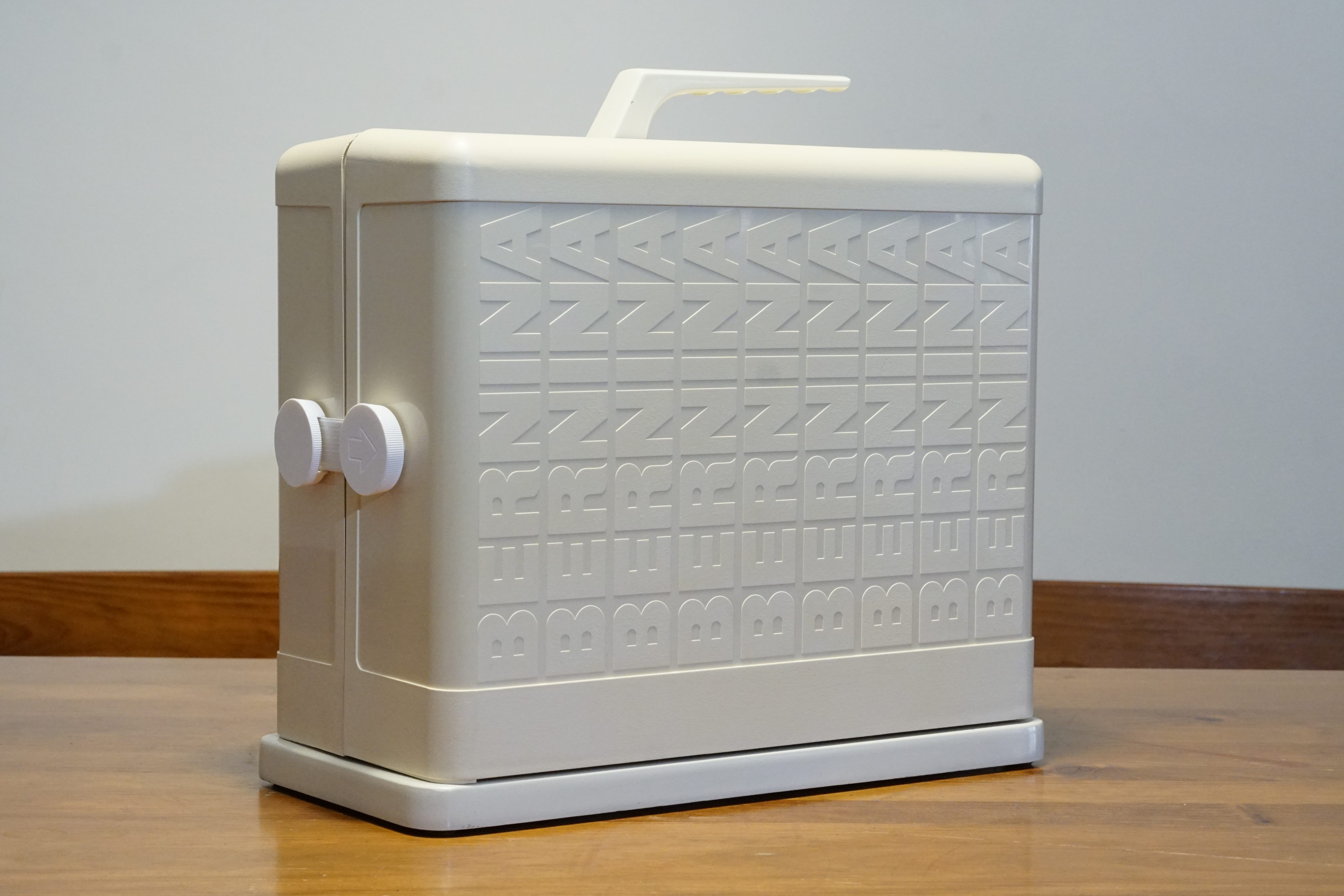
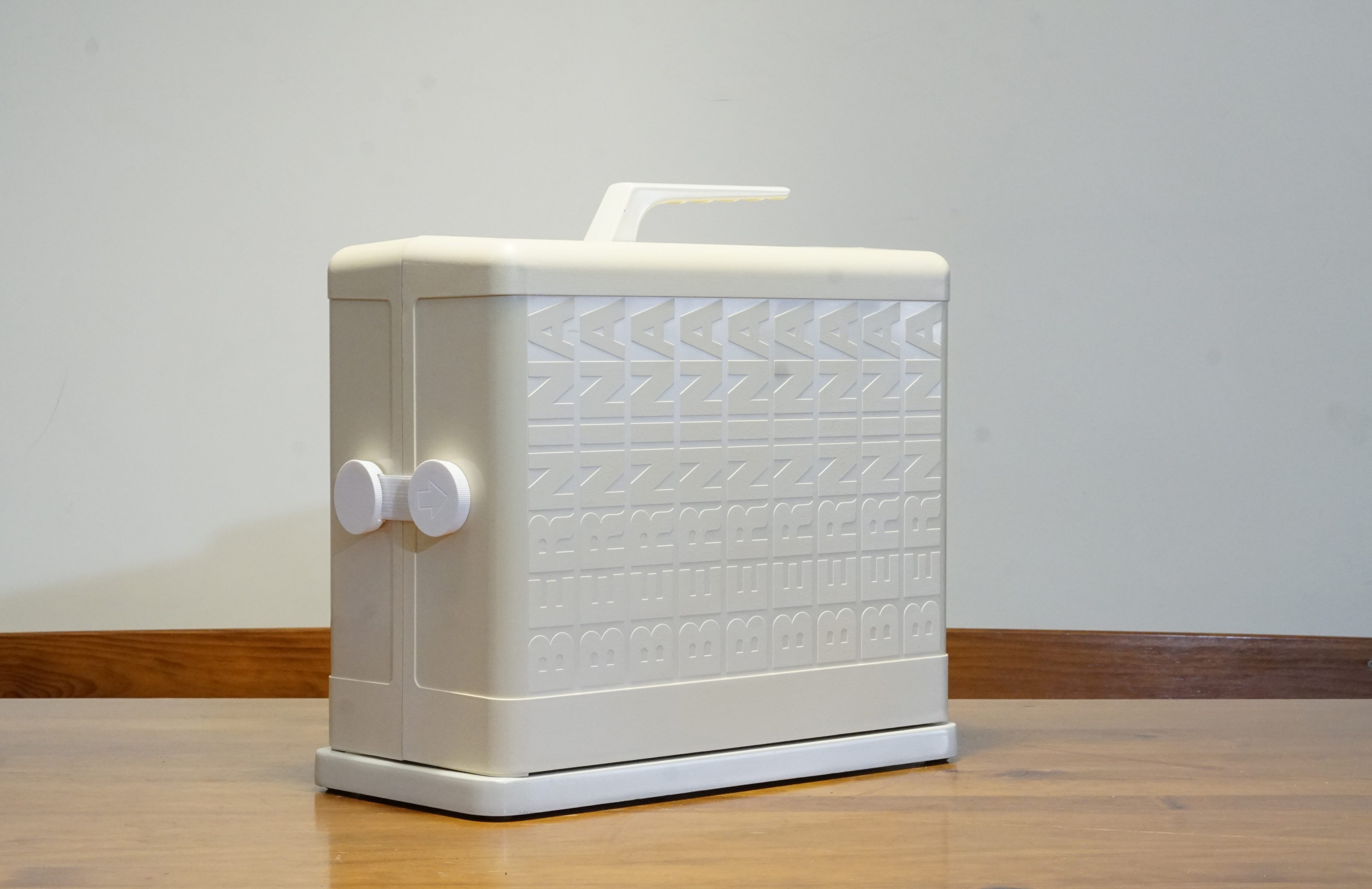
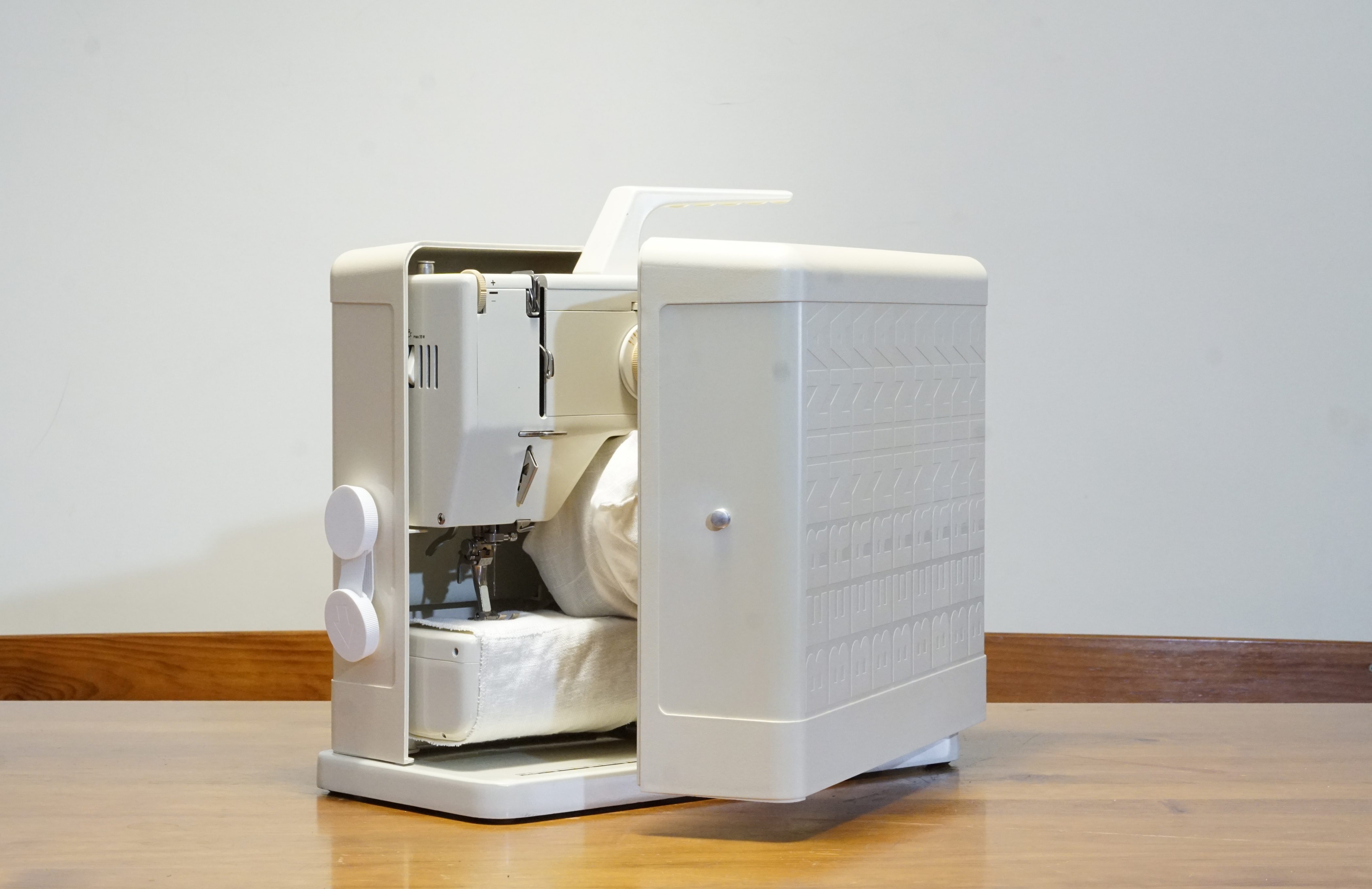
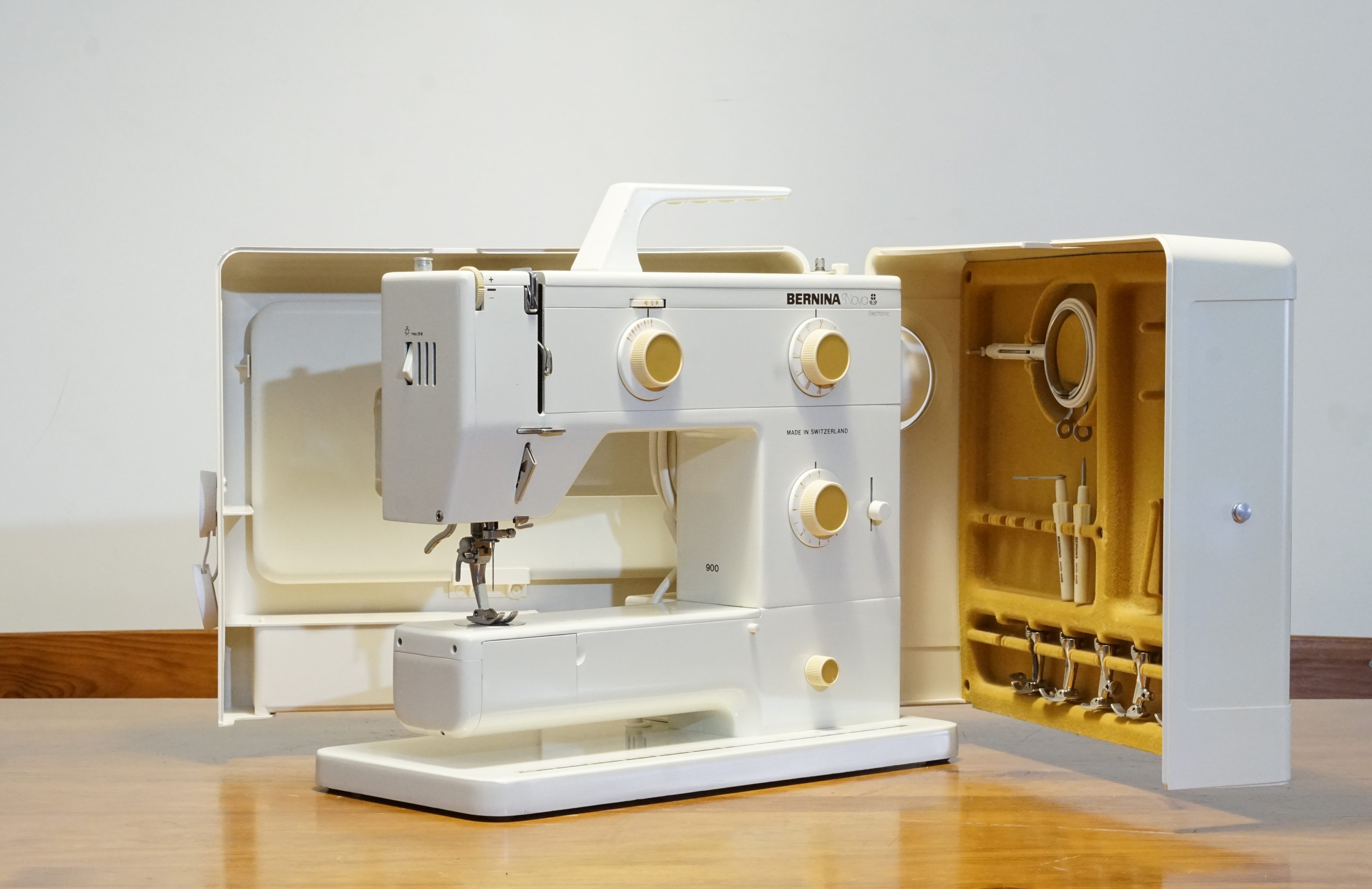
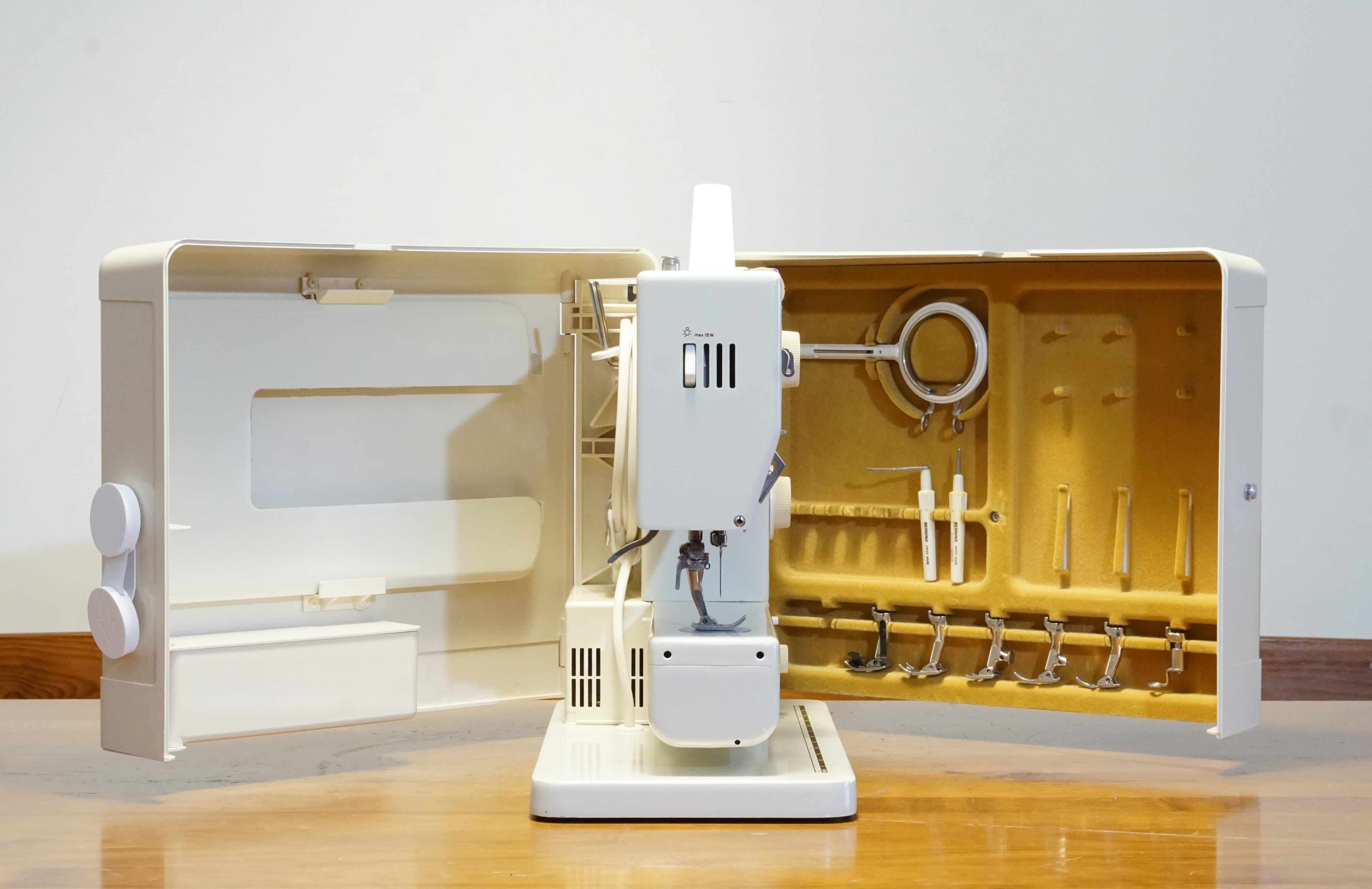
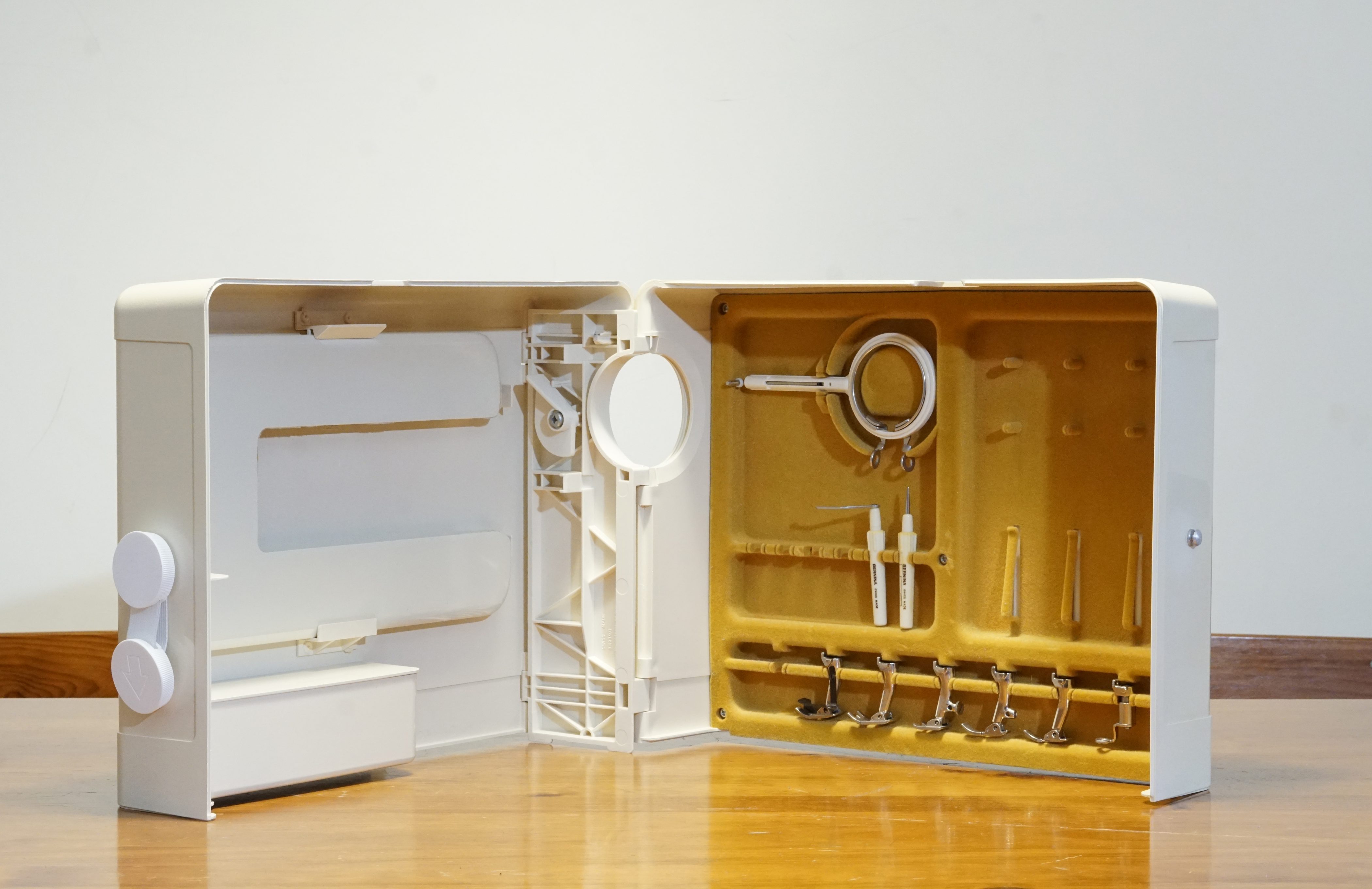
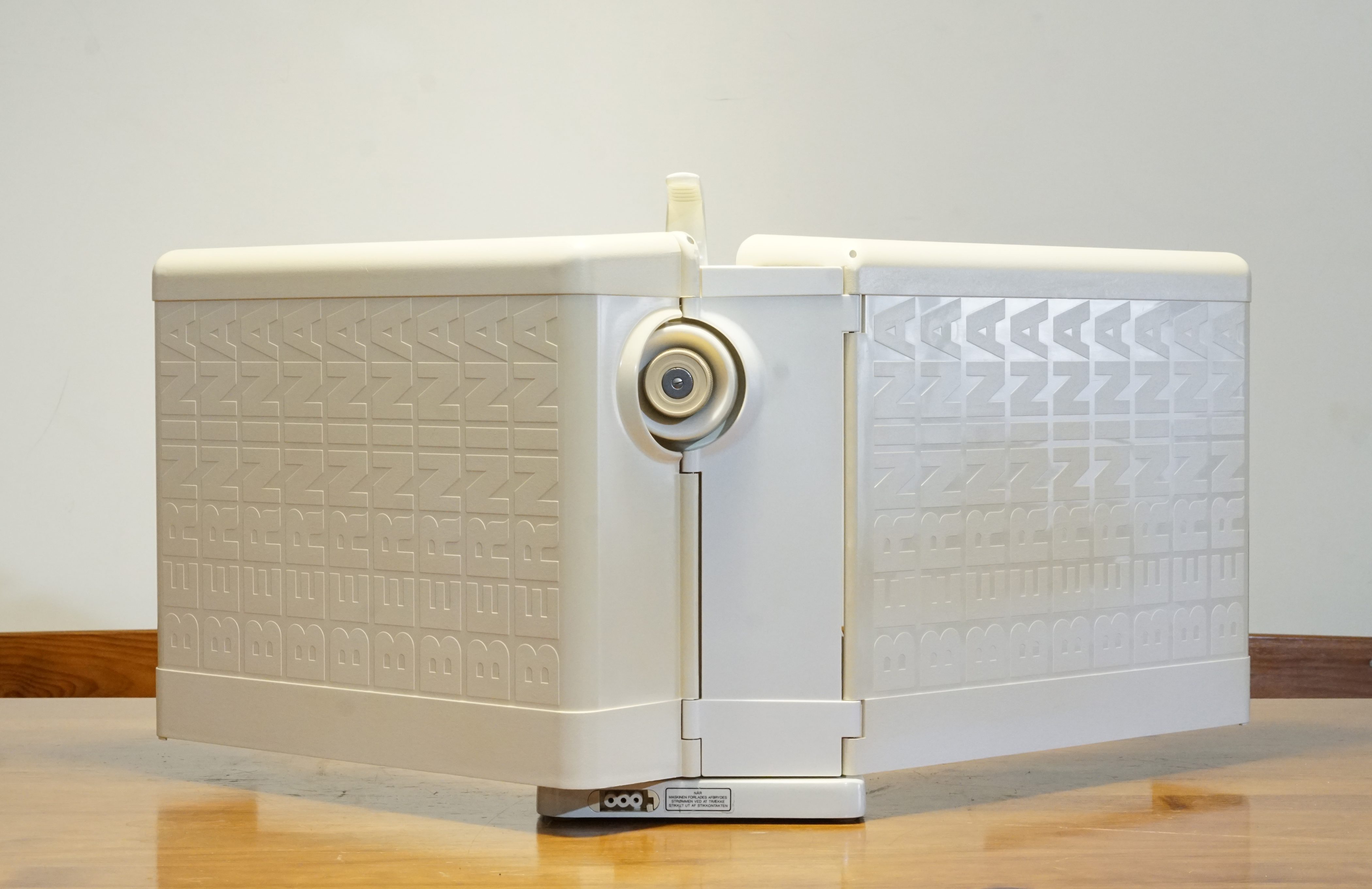
Then there’s the case, which deserves its own praise because it’s doing more work than most sewing machine cases bother with. Attached to the body of the machine rather than just sliding over it, the shell splits into two hinged halves lined in that distinctive mustard felt, one side holding the machine itself, the other a fully organized tool bay: bobbins, a darning hoop, screwdrivers, oil, and a row of presser feet all slotted into individually shaped felt cutouts. It’s less a carrying case and more a tackle box for someone who takes tackle very seriously. There’s also the extension table tucked above a small swivelling accessory box for loose tools and additional notions. When closed, the case uses the machine’s base and leaves its handle exposed, in a way that provides protection without adding one millimeter to the machine’s dimensions.
Reviews treat the Nova 900 with genuine affection bordering on evangelism. One owner called it lightweight, sturdy, capable, and cute, comparing its blueprint directly to the beloved Singer Featherweight 221. Another reported buying hers new in the early eighties and never once having a problem, still turning to it decades later for quilting work. Fans particularly like the iron-shaped carrying handle, noting the machine is heavy but genuinely portable thanks to it. The one recurring caution involves age rather than design: technicians servicing these machines today often replace aging capacitors and triacs on the circuit board to keep the electronic pedal behaving. Bernina used RIFA paper capacitors which are well known to swell and burst with age, but this curse is in part a blessing, as it’s a known failure point that prevents damage downstream, and is very easy to replace.
Compared to its pricier sibling the 930 Record, the Nova 900 is generally seen as the more compact, budget-friendly option, trading a bit of the 930’s reputation for the same fundamental stitch quality Bernina built its name on.
Sources and reviews:
sewing.patternreview.com/review/machine/6623 sewing.patternreview.com/review/machine/3210 sewing.patternreview.com/SewingMachine/922 sewing.patternreview.com/SewingDiscussions/topic/34861 justsewsewingmachines.co.uk/product-page/bernina-nova-900-1 sewingmachinereviewscenter.com/bernina-900-nova-review
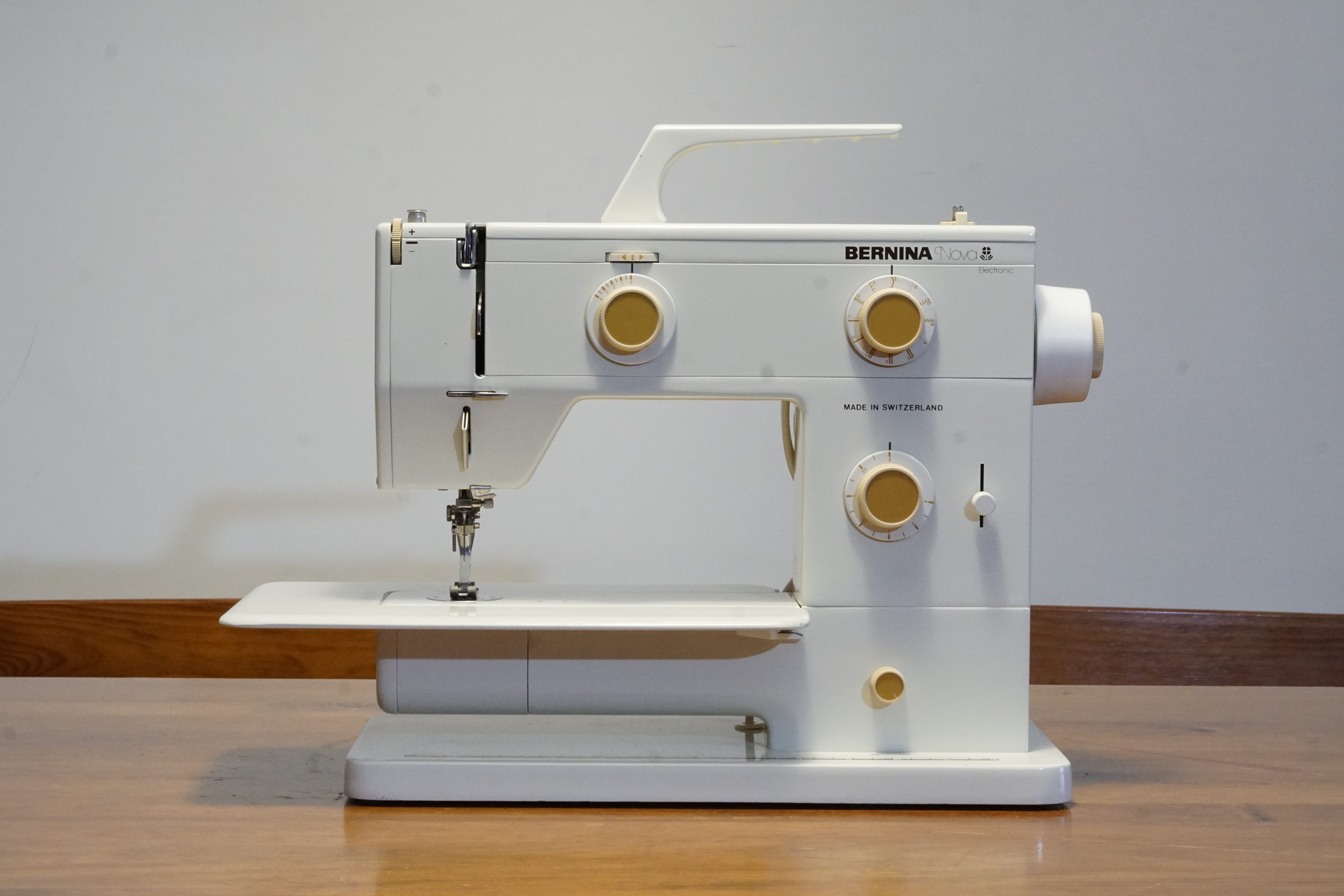
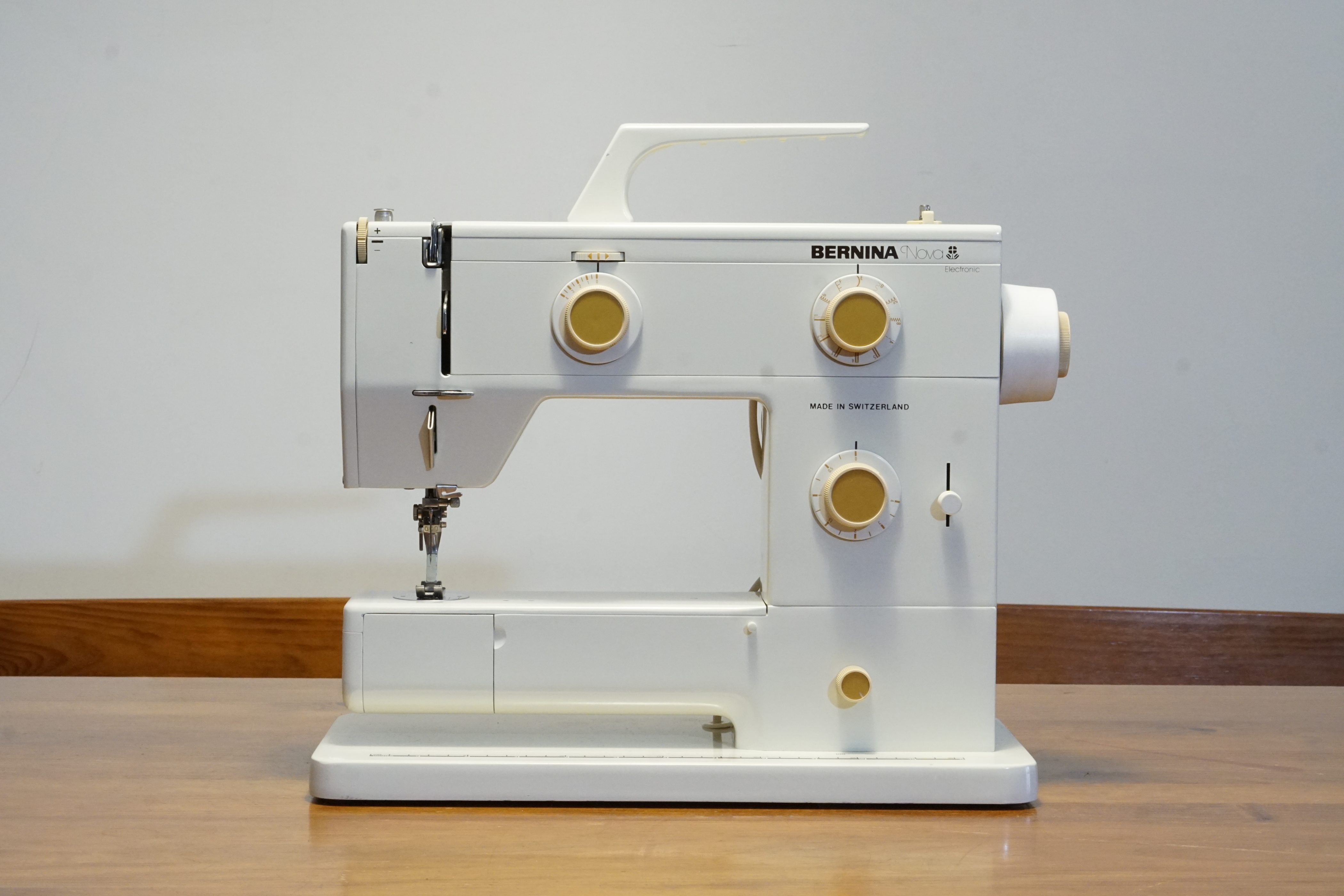
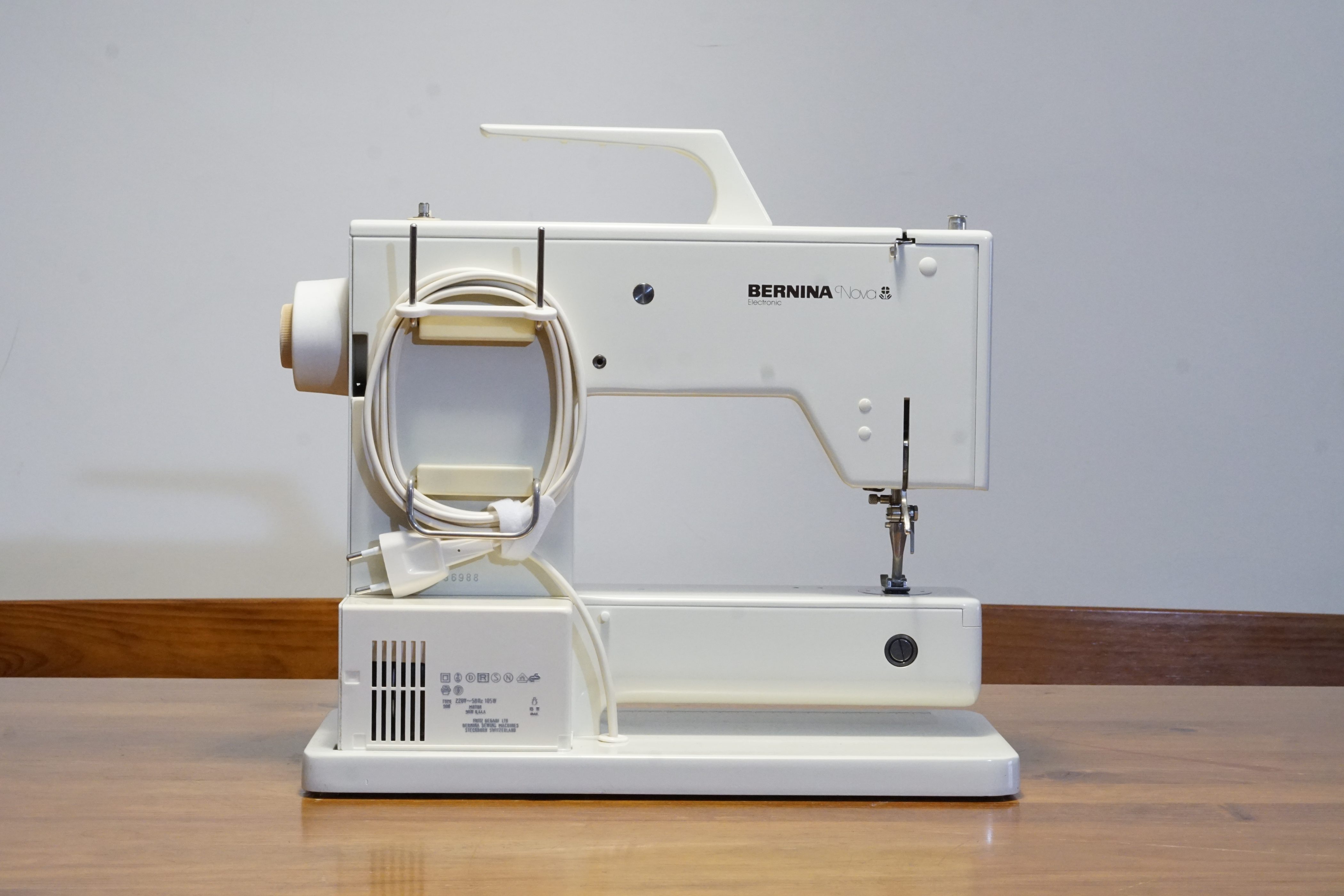
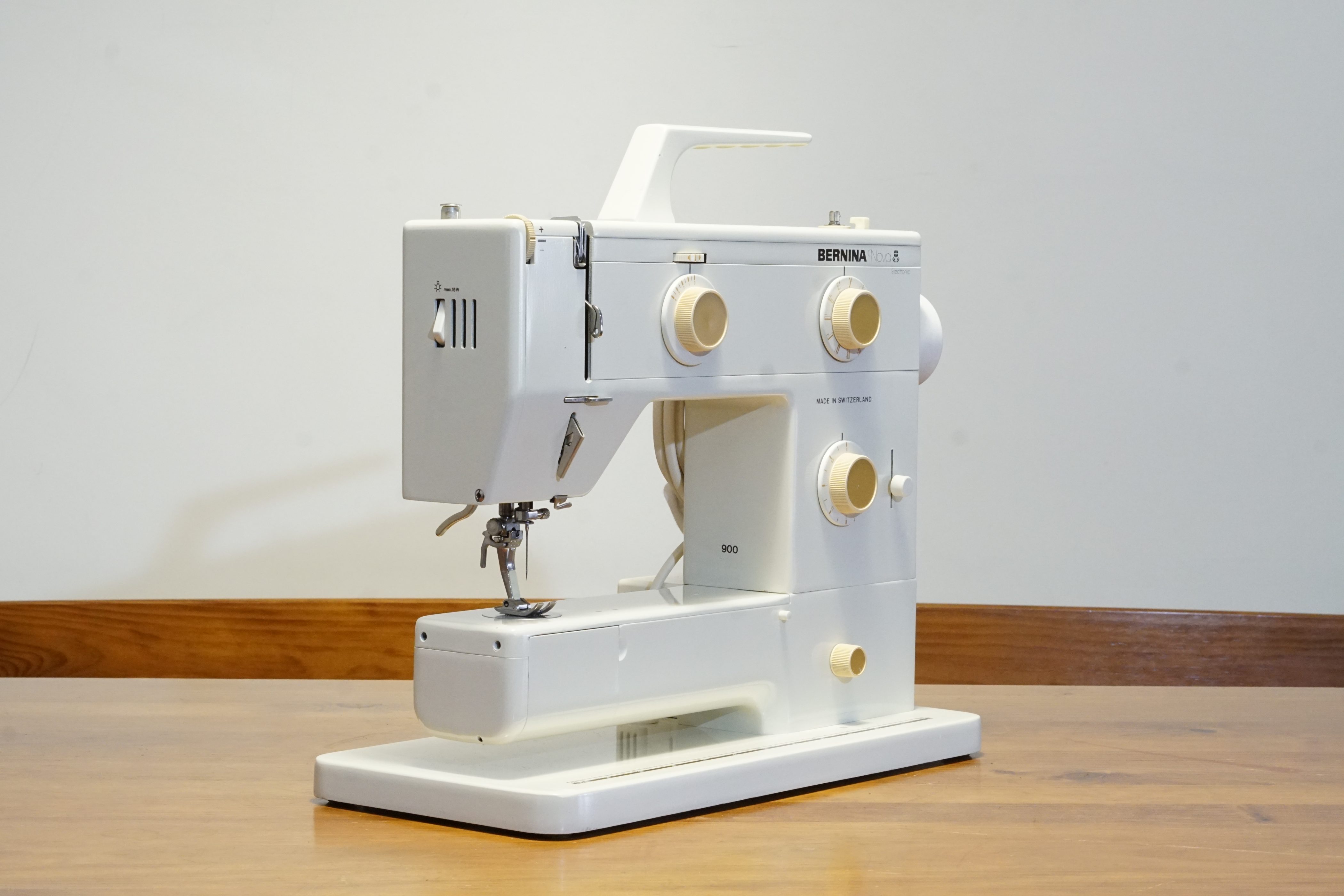
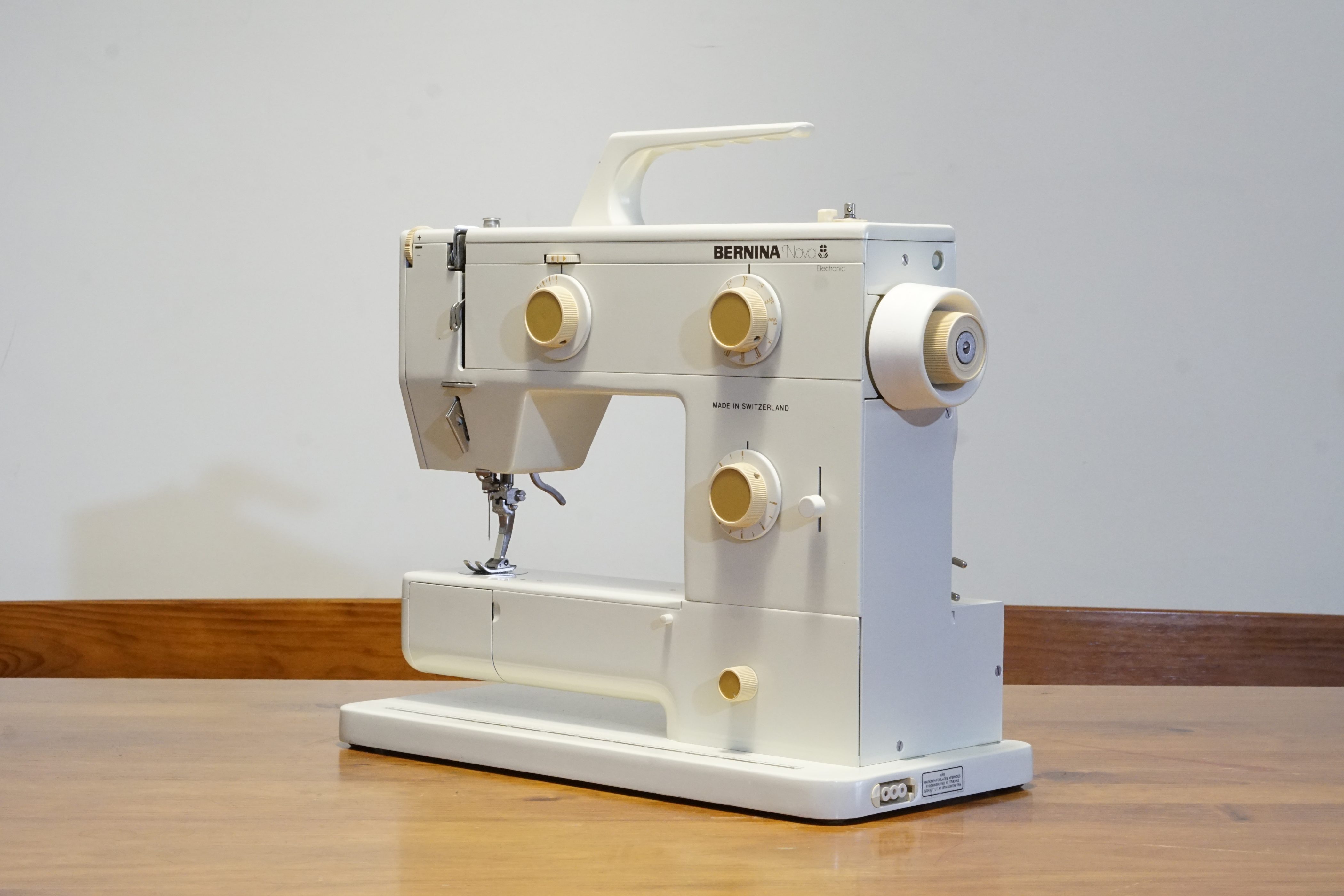
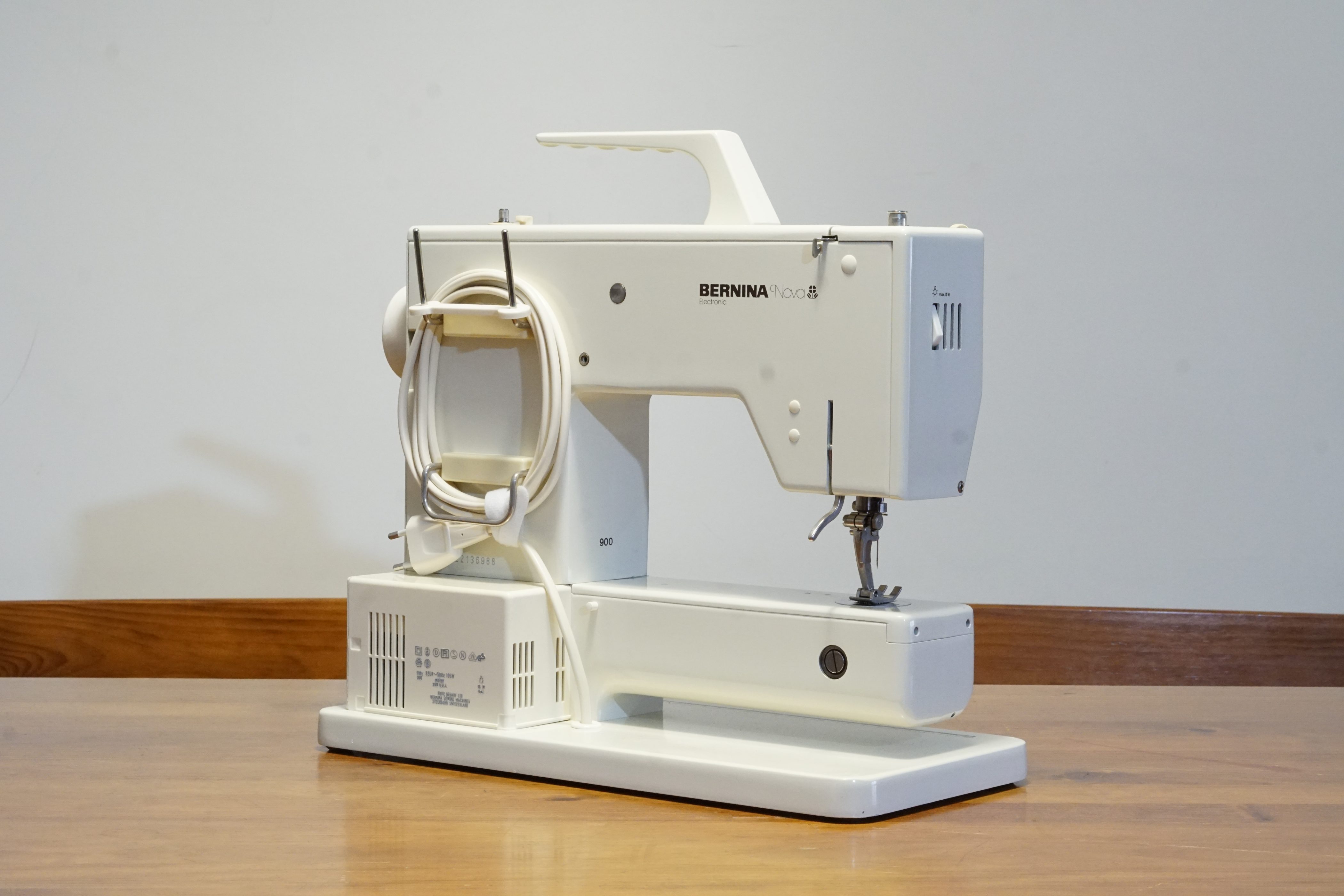
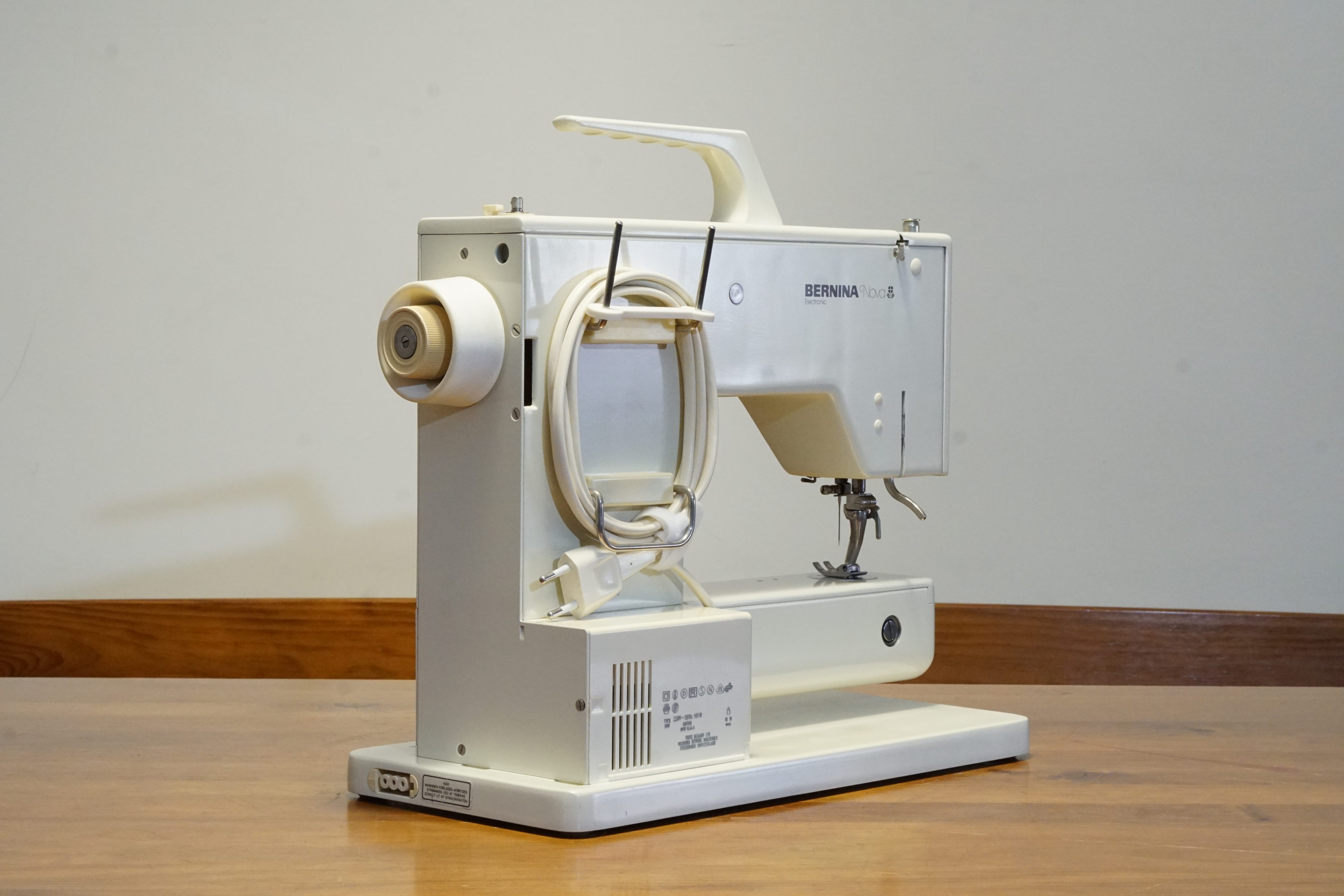
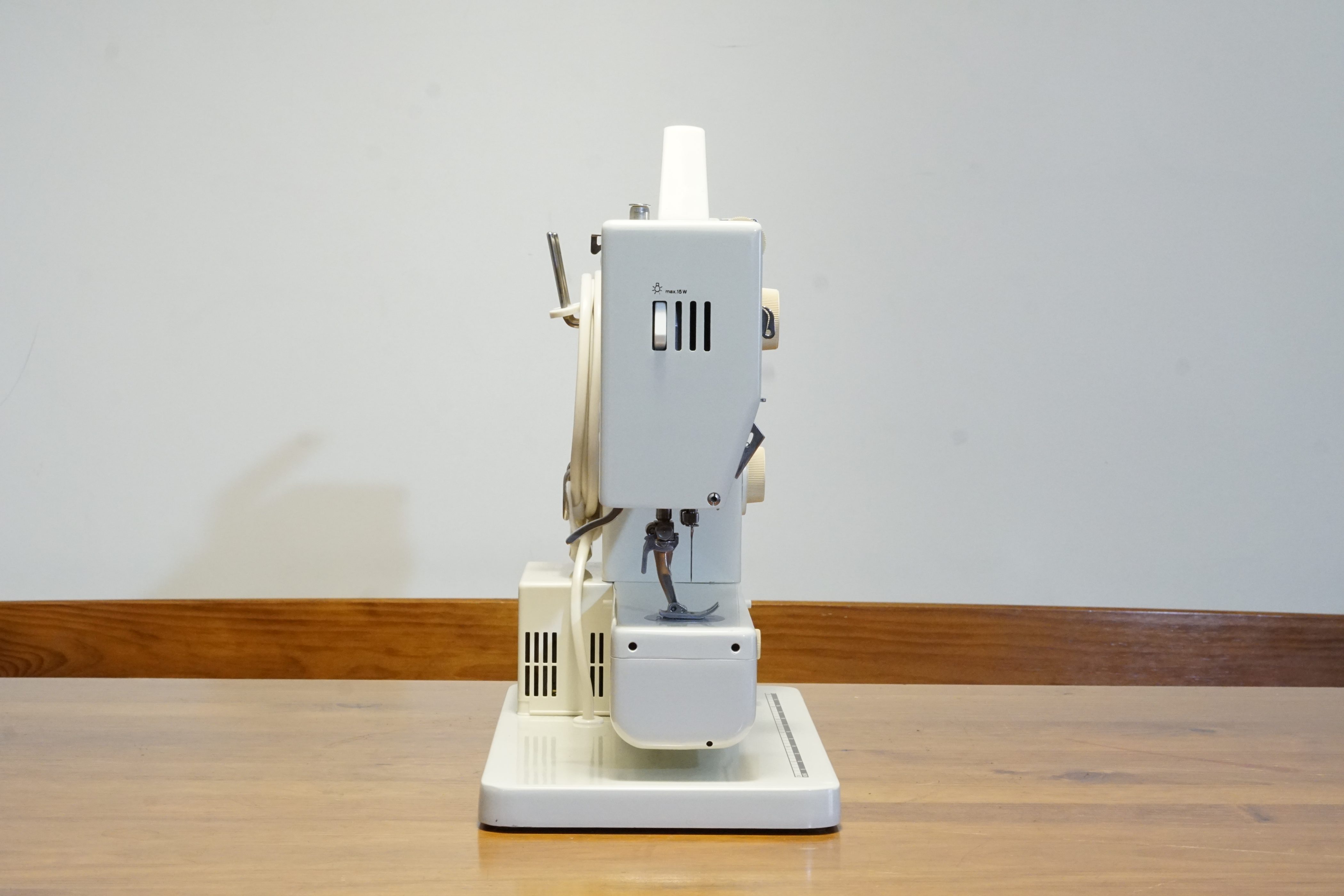
And here she is undressing her shell:
ID
| Maker | |
| Brand | |
| Model | |
| Year | |
| Serial number | |
| Origin | |
| Manufacture | |
| Provenance | |
| Status |
SPECS
| Voltage | AC 220 V |
| Bed type | |
| Bed extension | |
| Feet/shank type | |
| Foot pressure adjustment | |
| Bobbin type | |
| Hook/race position | |
| Hook movement | |
| Bobbin winder | |
| Spool pins | |
| Bulb type | |
| Original foot control | |
| Current foot control | |
| Dimensions | |
| Weight |
FEATURES
| Zigzag | |
| Reverse type | |
| Needle position control | |
| Stitch length limiter | |
| Stitch width limiter | |
| Utility stitches | |
| Decorative stitches | |
| Stretch stitches | |
| Auto-reverse stitches | |
| Double needle provisions | |
| Drop feed |
ACCESSORIES
| Presser feet | |
| Straight stitch needle plate | |
| Feed dogs cover plate |
DOCUMENTS
| User manual | Download PDF: |
| Service manual | Download PDF: |