
PFAFF 93
Tough love
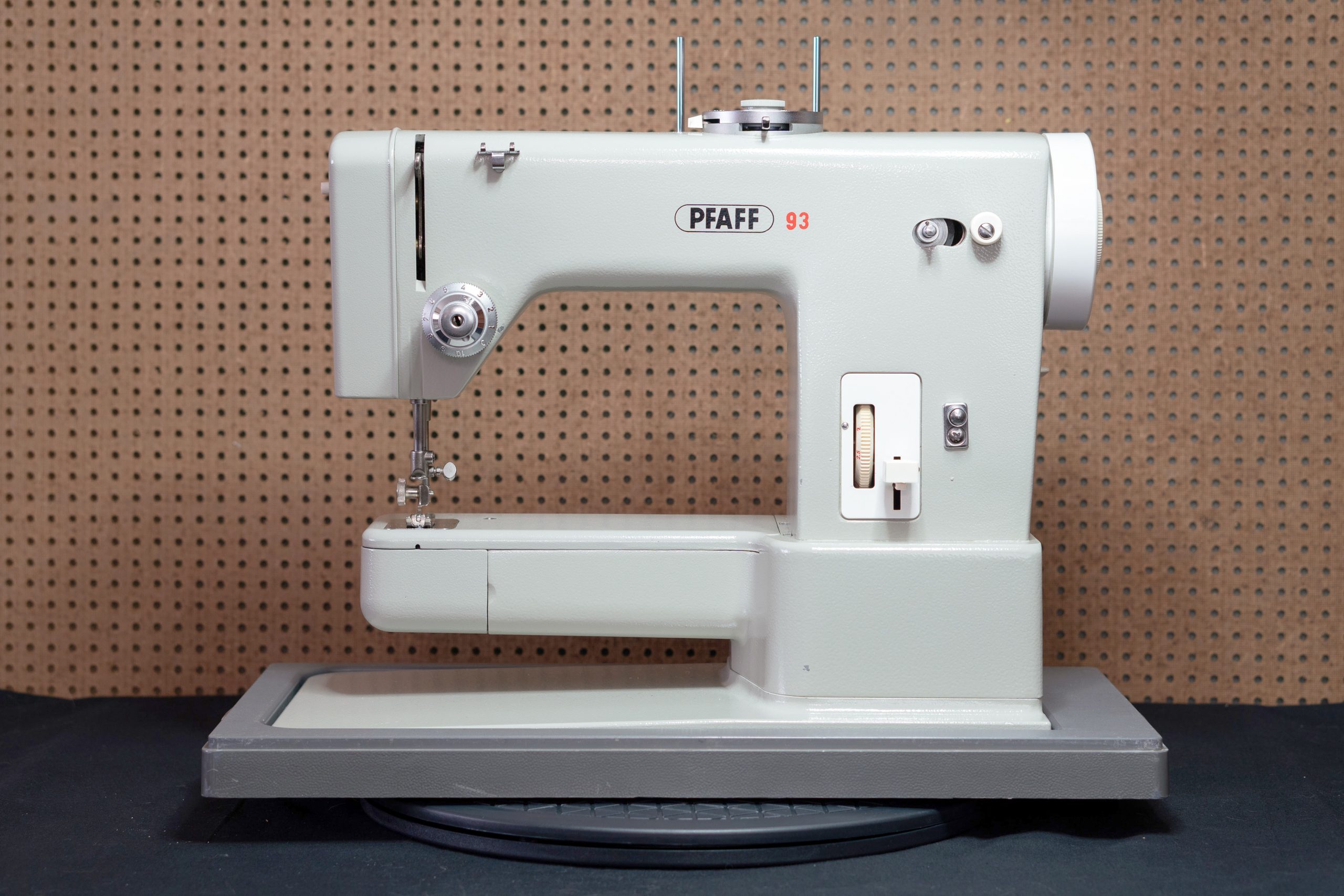
Georg Michael Pfaff founded the company in Kaiserslautern, Germany, in 1862, initially building machines to sew shoe leather. Family members Jacob, Georg, and Lina Pfaff successively expanded the business; by 1910 output reached one million machines. The factory was destroyed by bombing in WWII, then rebuilt. Pfaff passed through several ownership changes, finally joining Husqvarna Viking in 1999 and later the SGSB Group, which also operates the Singer brand.
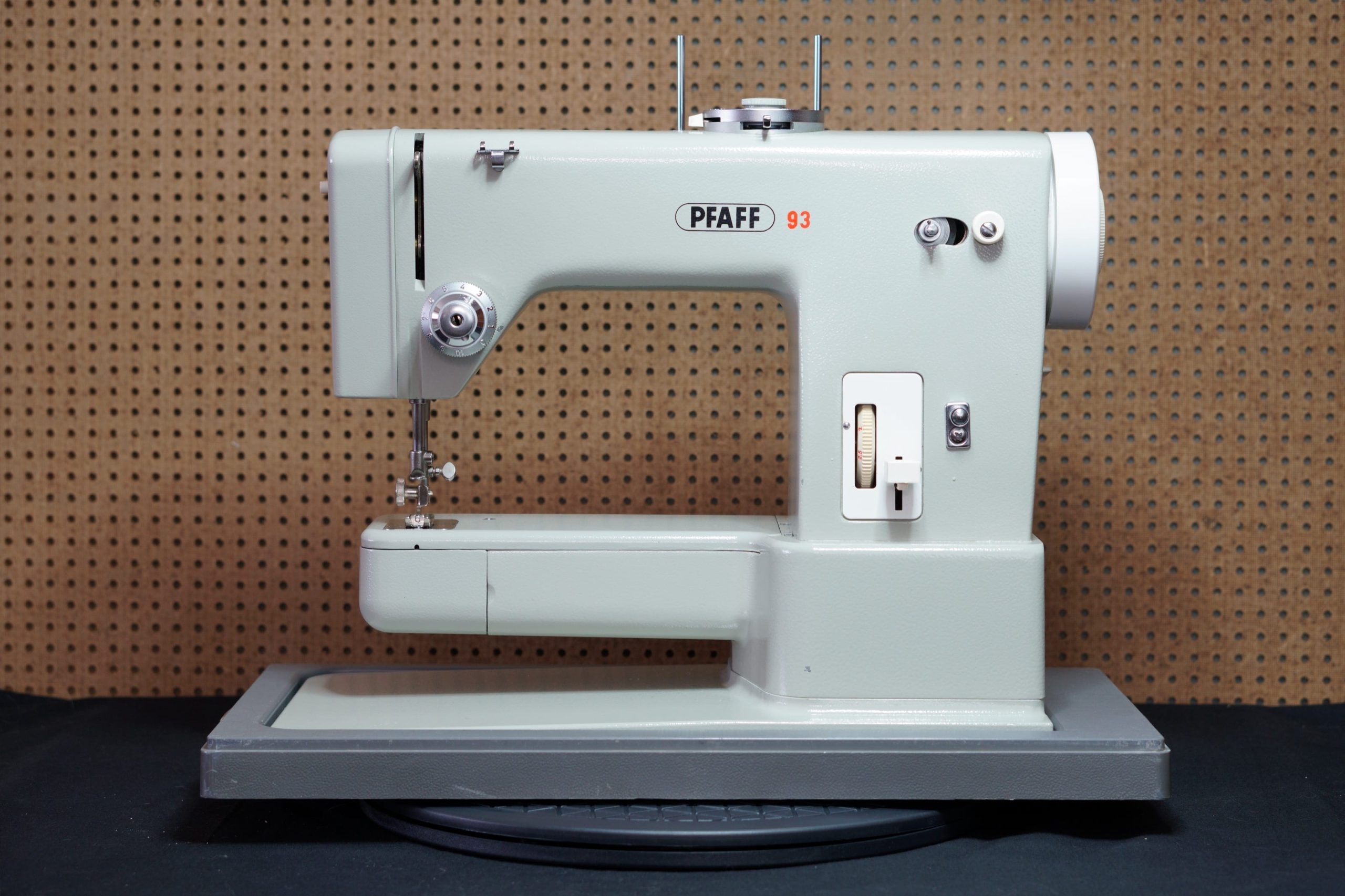
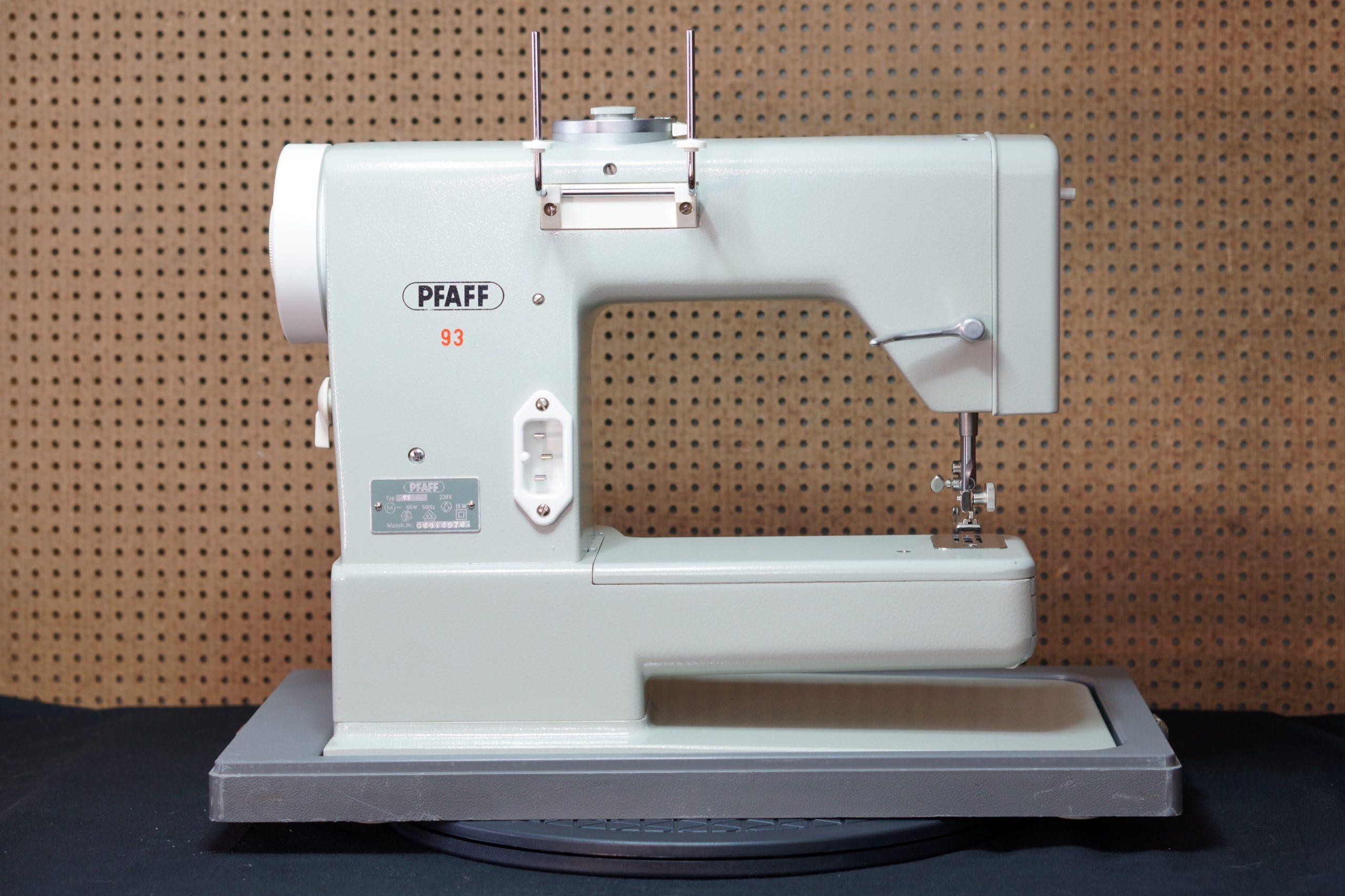
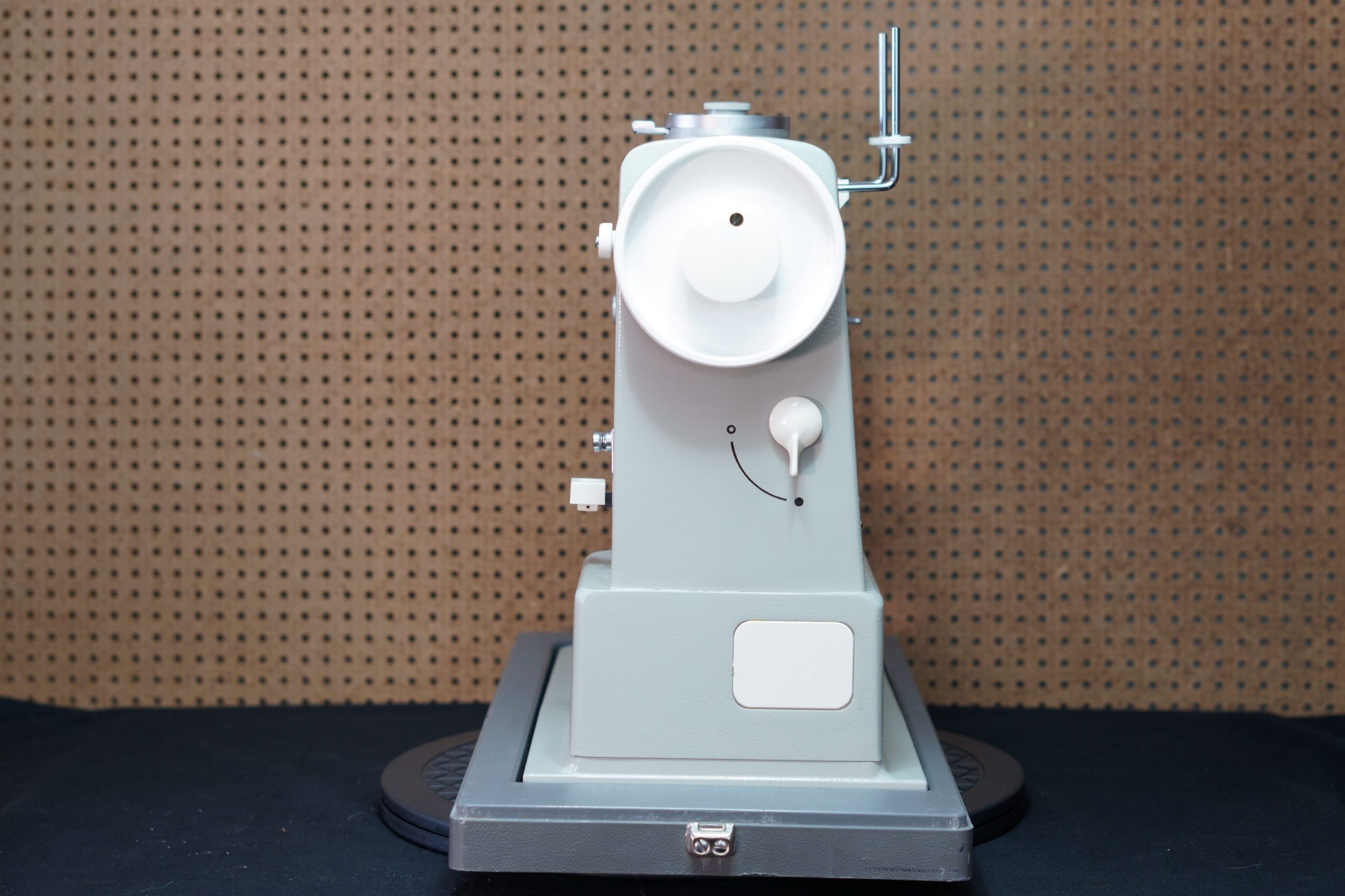
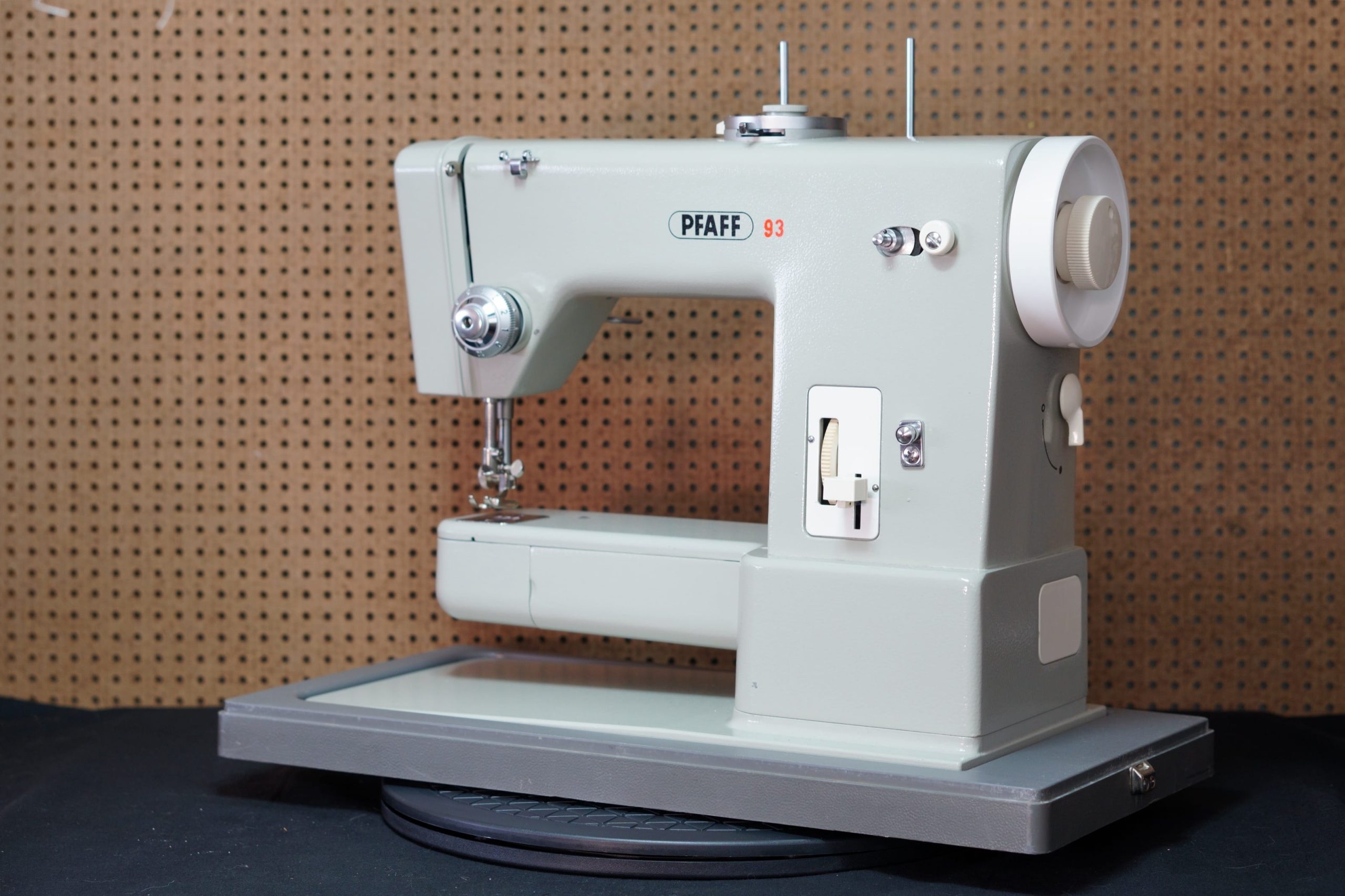
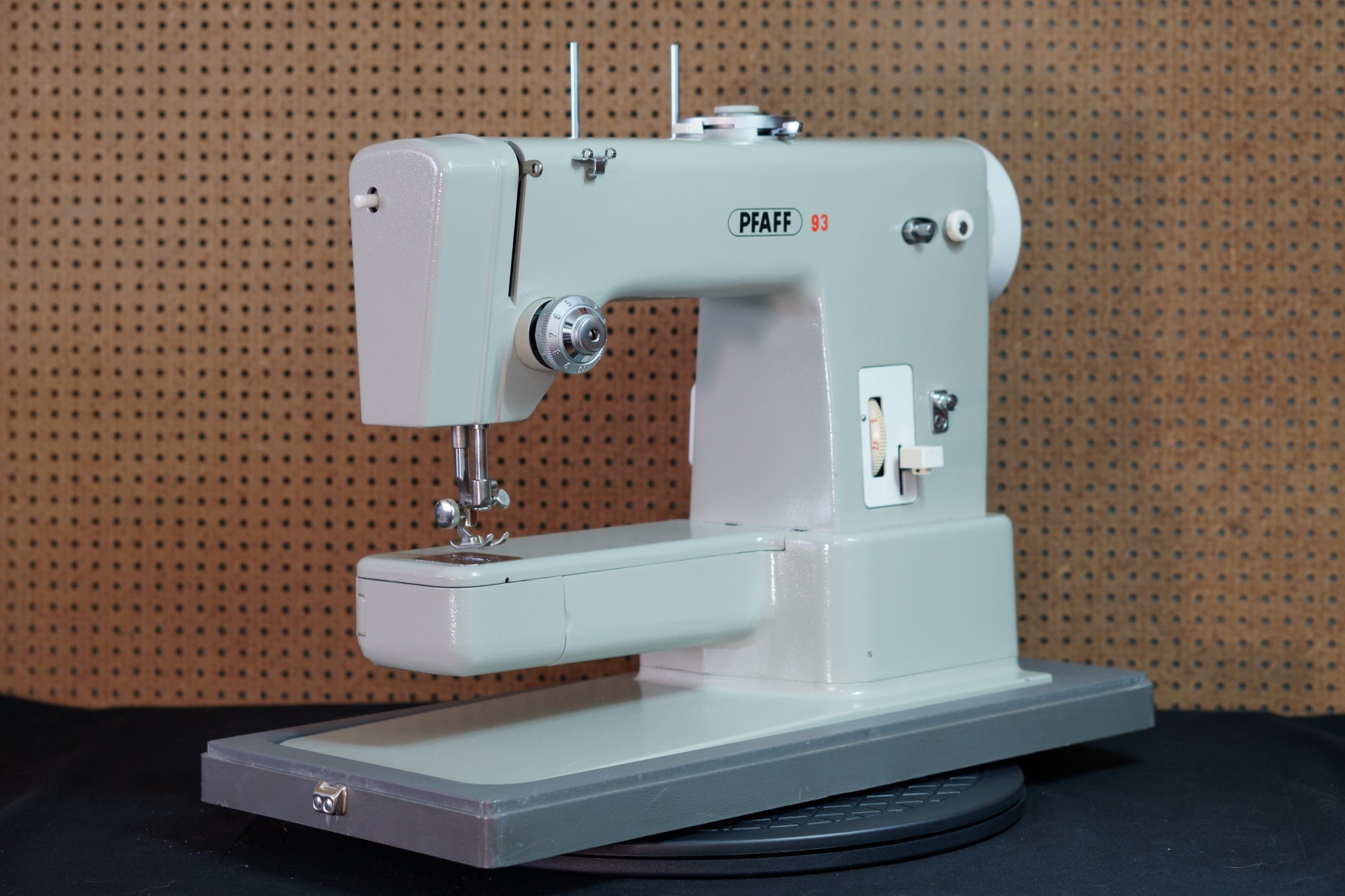
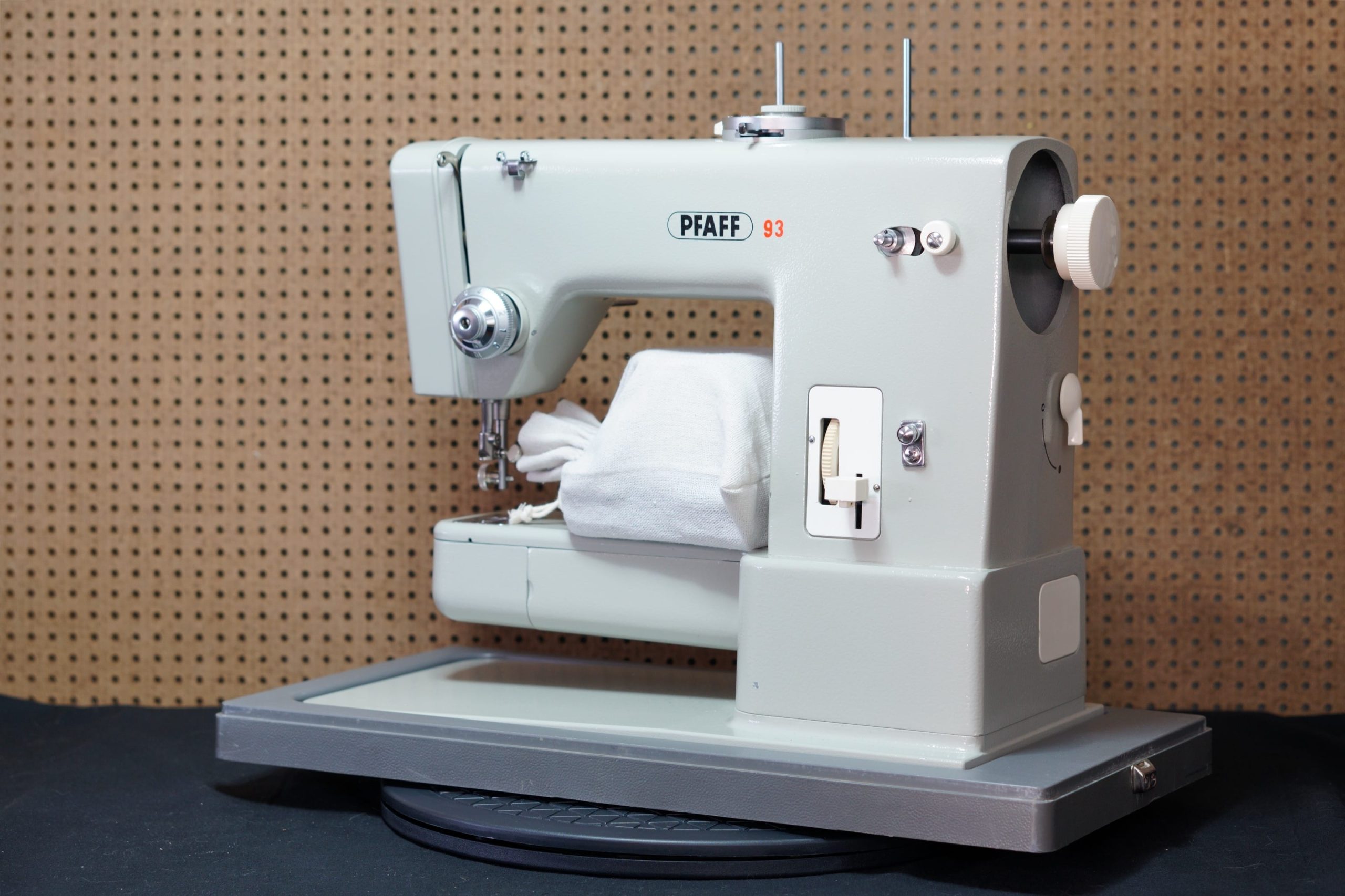
Brunhilde is a heavy metal machine. But looks are deceiving: she is built of cast aluminium, not solid steel. Not as heavy as her looks may suggest. Still, the massive body firmly plants her on any table top for steady sewing. Most of the body is a single piece, top to bottom and end to end, without removable covers. While this provides extra rigidity, it also makes repairs and maintenance much more difficult. Your only ways in are through the nose and balance wheel holes, apart from the base. There are some utility holes here and there, good luck find out which order they need to be used in. Add to that the absolute mania that PFAF engineers had for using c-clips, and you have a recipe for quite a few gray hairs each time you have to fix something in one of these babies.
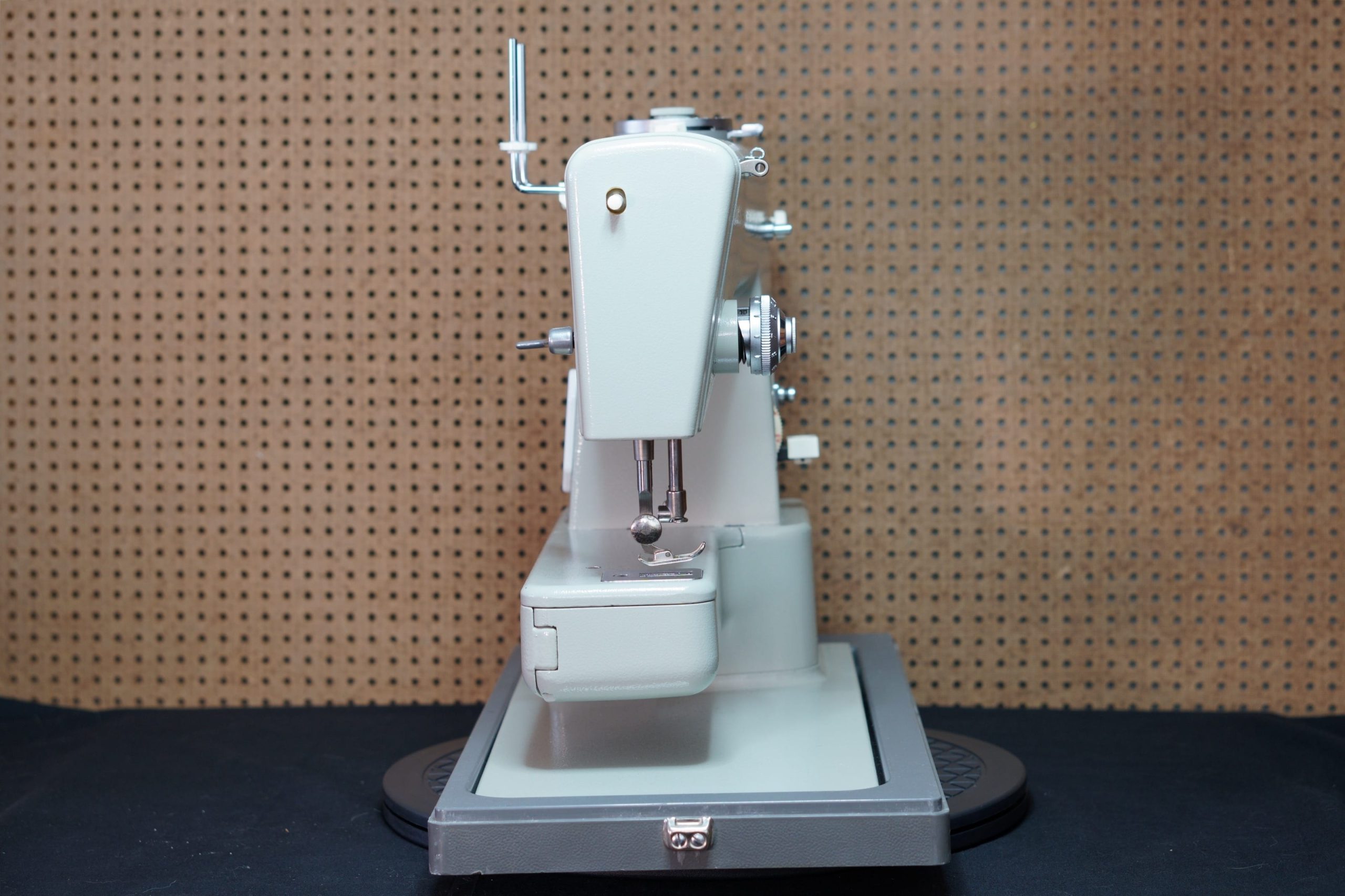
The transport case includes a slim base that remains attached to the machine head, giving it an expanded footprint.
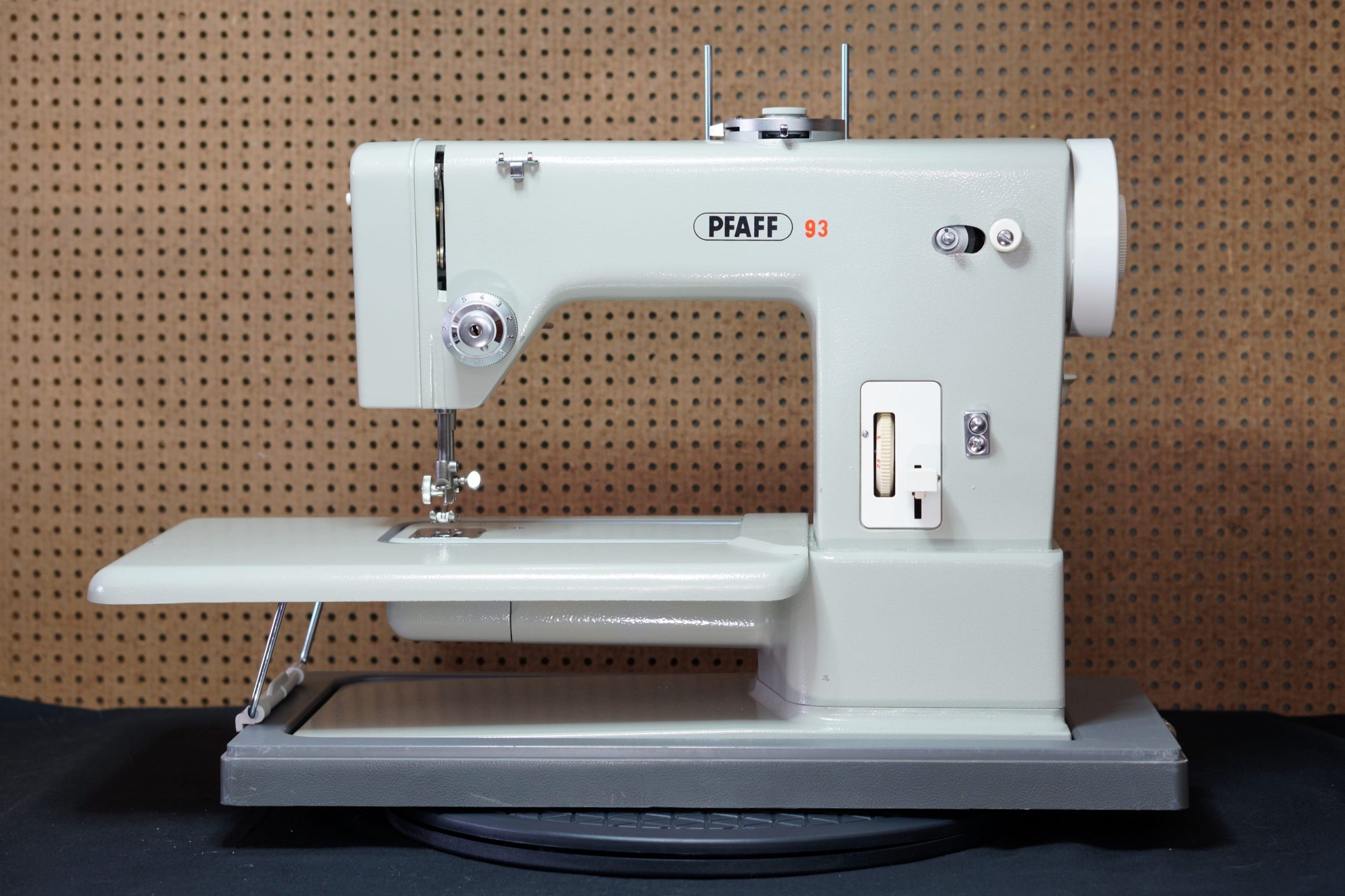
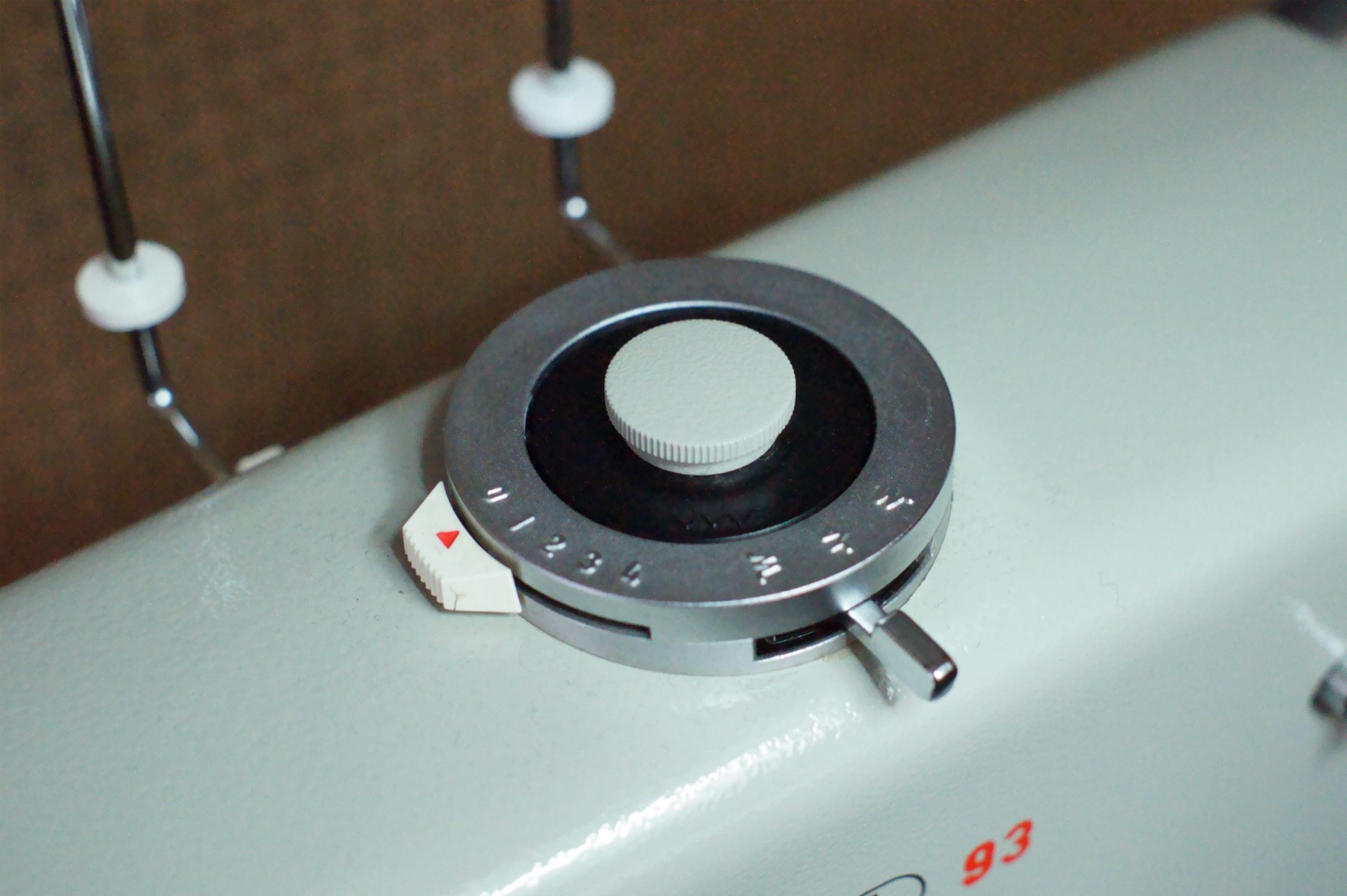
Marketed as “Pfaff Automatic,” this PFAFF 93 is a mid-20th-century domestic zigzag machine. Stitch pattern and width are controlled by interchangeable “fashion discs,” inserted via an amusingly positioned little “hat” atop the machine’s arm. Changing discs produces zigzag, blind-stitch/shell-edging, and two-needle decorative patterns without swapping mechanical parts. A removable workplate extends the sewing surface over the free arm. The machine head takes separate motor and sewing light connectors.
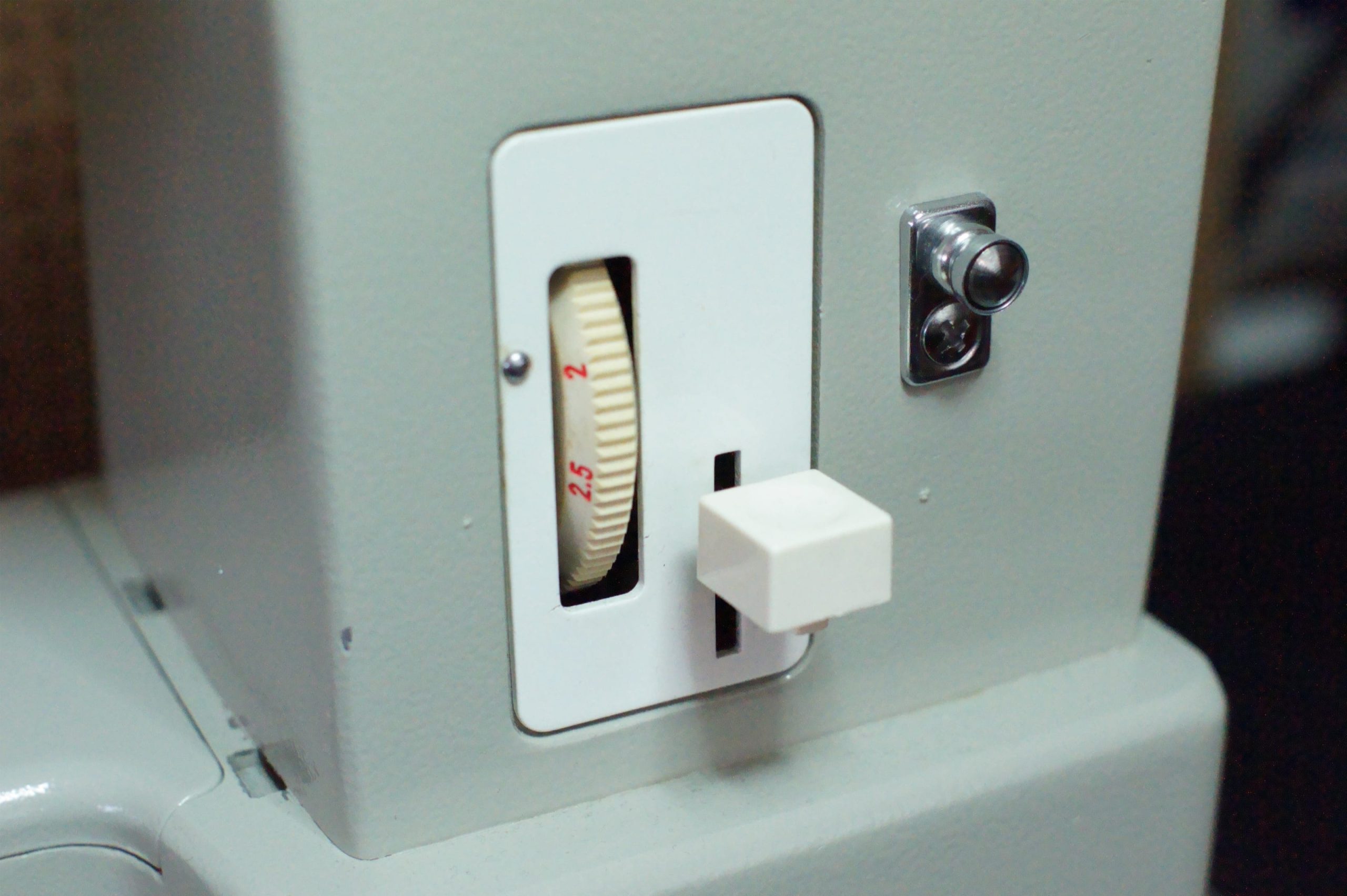
The only belt inside the machine connects the upper and lower shafts, and is responsible for timing. The motor drives the balance wheel via a rubber pulley pressed against it, using spring-tension pressure alone, without any belts. For this reason, there is a knob on the side, above the power connections, that moves the motor away from the balance wheel, for long term storage. This avoids damage to the rubber pulley, which gets flattened if compressed on the same place for too long. This “flat spot”, just like a slit cut off of a car tire, produces a nasty vibration and noise during operation.
Because most people forget this, damaged pulleys are common inside machines that use this system. The part is expensive for what it is, given the scarcity, but not prohibitively so.
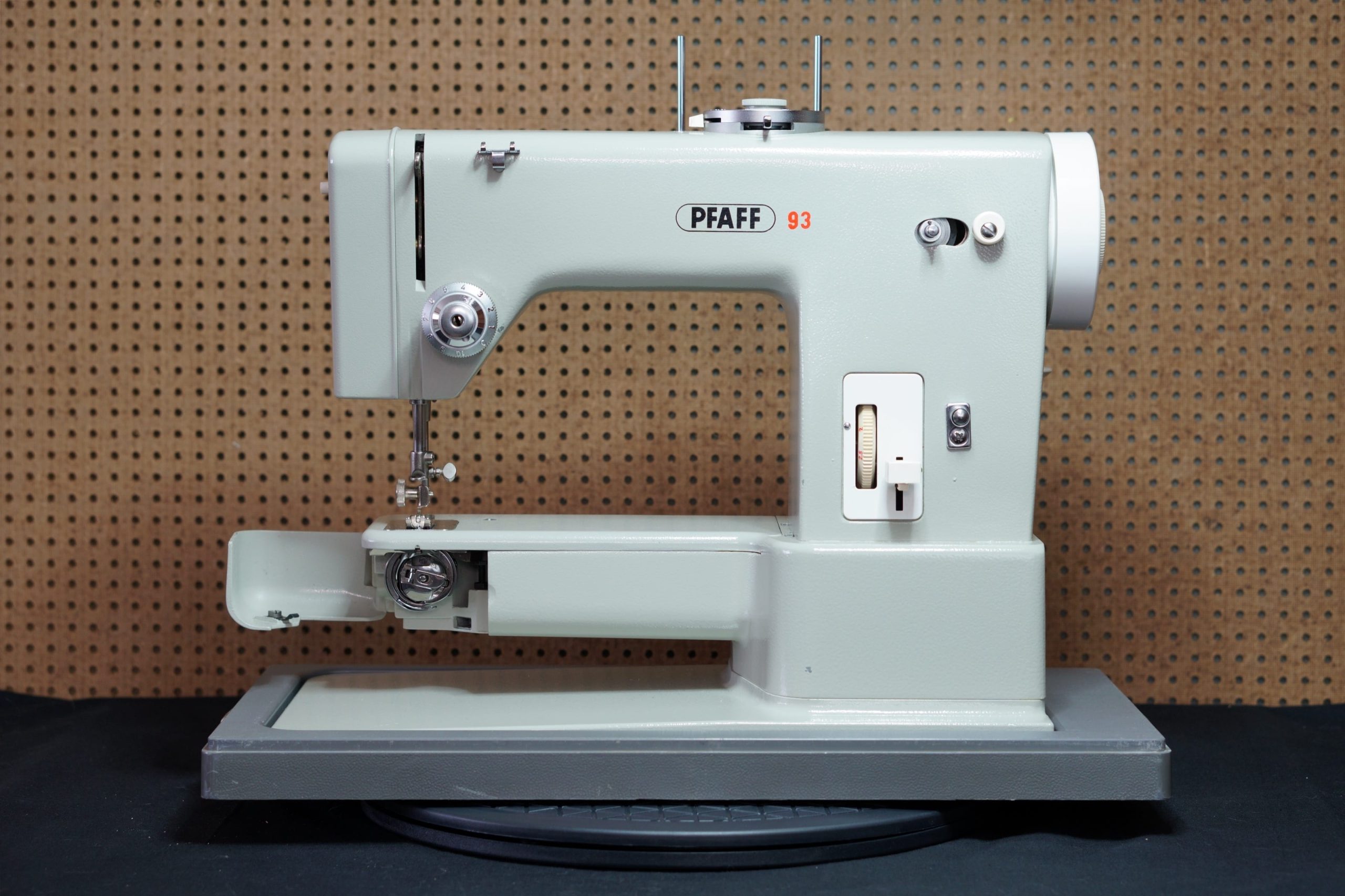
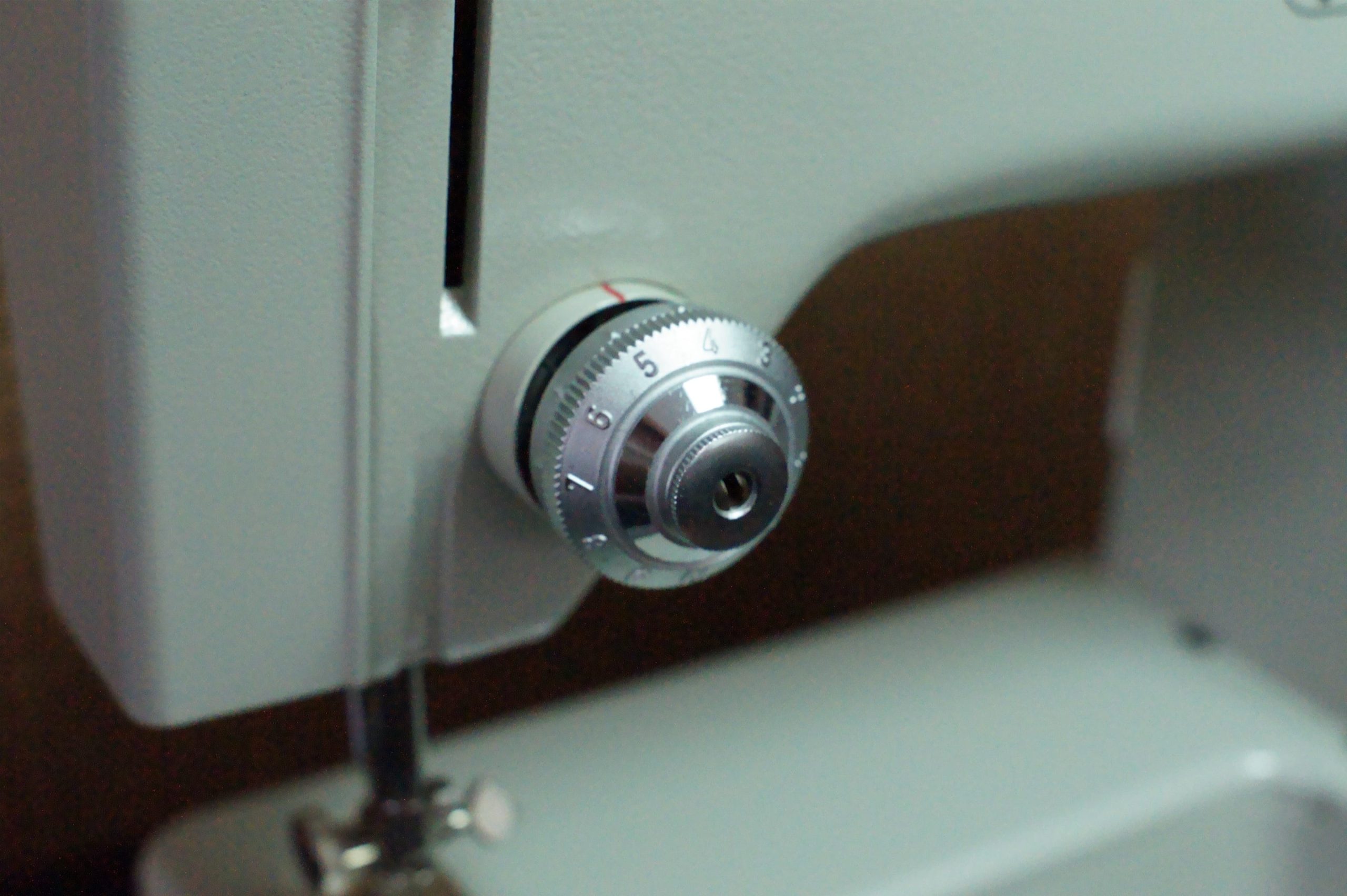
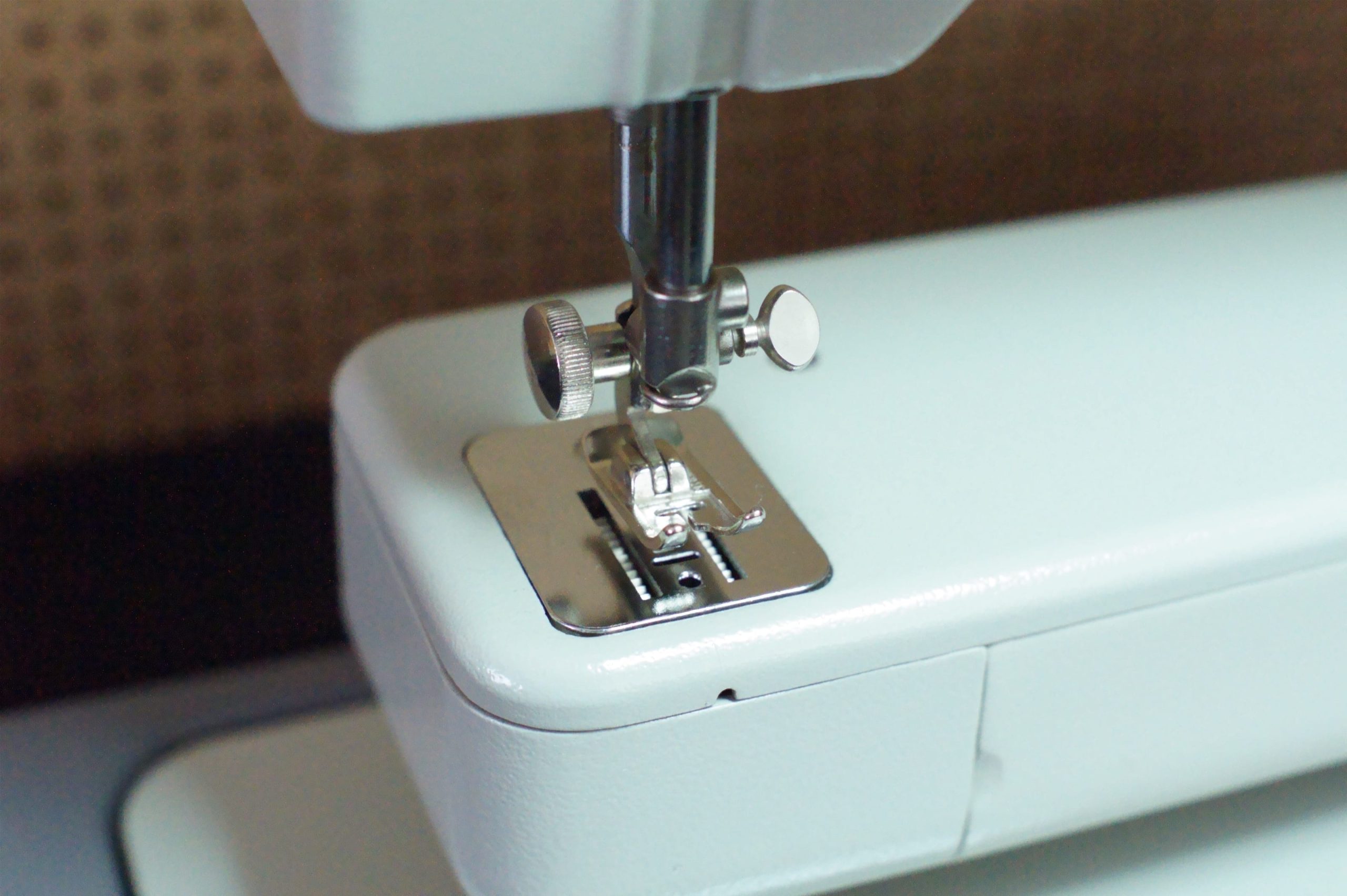
In most other aspects this is a very standard machine, with an all-metal gearing mechanism, a very impressive thread tension unit, and an unusually compact hook assembly that makes cleaning very easy.
Other available functions are: automatic buttonhole, a darning/embroidery foot, zipper-insertion capability, and System 130R flat-shank needles.
Sources:
https://en.wikipedia.org/wiki/Pfaff
https://ismacs.net/pfaff/history-of-the-pfaff-sewing-machine-company.html
https://www.manualslib.com/manual/505001/Pfaff-93.html
Accessories include:
• Bed extension
• Several feet
• Case cover
ID
| Maker | |
| Brand | |
| Model | |
| Year | |
| Serial number | |
| Origin | |
| Manufacture | |
| Provenance | |
| Status |
SPECS
| Voltage | AC 220 V |
| Bed type | |
| Bed extension | |
| Feet/shank type | |
| Foot pressure adjustment | |
| Bobbin type | |
| Hook/race position | |
| Hook movement | |
| Bobbin winder | |
| Spool pins | |
| Bulb type | |
| Original foot control | |
| Current foot control | |
| Dimensions | |
| Weight |
FEATURES
| Zigzag | |
| Reverse type | |
| Needle position control | |
| Stitch length limiter | |
| Stitch width limiter | |
| Utility stitches | |
| Decorative stitches | |
| Stretch stitches | |
| Auto-reverse stitches | |
| Double needle provisions | |
| Drop feed |
ACCESSORIES
| Presser feet | |
| Straight stitch needle plate | |
| Feed dogs cover plate |
DOCUMENTS
| User manual | Download PDF: |
| Service manual | Download PDF: |